Fixing Broken Website Image Links
How to solve missing product photos and broken image paths to maintain a clean, professional store layout.
Read Strategy
Reduce checkout fields to the absolute minimum to make purchasing instant and frictionless for mobile customers.
You have spent thousands of dollars optimizing your top-of-funnel marketing campaigns, fine-tuning your product pages, and designing beautiful store grids. A motivated buyer is finally ready to buy and clicks "Proceed to Checkout." But instead of an effortless payment screen, they are confronted with an endless wall of inputs: mandatory fax fields, repeated address confirmations, birthdate requirements, and unformatted dropdown menus. In modern digital commerce, every unnecessary form field is a deliberate point of friction that slowly leaks transaction revenue.
The mistake many merchants make is treating the checkout screen as a general survey platform rather than a high-velocity conversion funnel. Research consistently shows that over 25% of shoppers abandon their carts solely due to overly long or complex checkout flows. On small smartphone screens, scrolling through dozens of form inputs, correcting keyboard errors, and navigating multi-step verification triggers immediate fatigue. By cutting down your form structure to the bare operational essentials, you align your checkout with the short attention spans of modern mobile shoppers.
At TY ALPHA, TECHNOLOGY, we build high-converting, mobile-first e-commerce architectures engineered for global scalability. We have written this technical layout manual to help you identify redundant form elements, optimize input fields for touchscreens, and create an instant checkout journey that maximizes your store's profit margins.
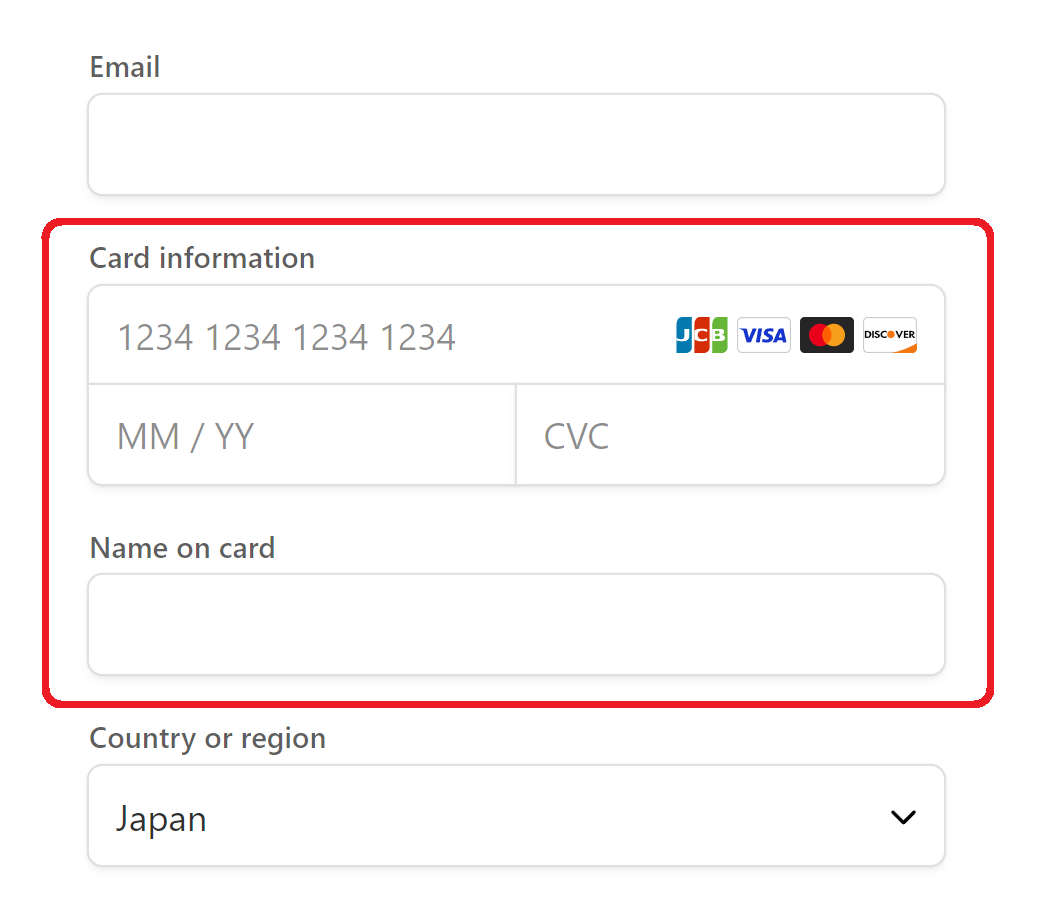
To transform a slow, tedious checkout process into an instantaneous, one-page transaction loop, you must optimize your data fields around mobile-first usability parameters:
Maintaining an old-fashioned, field-heavy checkout template creates major performance penalties on mobile devices. Every extra input field requires individual validation scripts, error-handling routines, and style tags that increase the payload of your frontend. When a mobile browser is forced to process these bloated, multi-step layouts over variable mobile networks, it leads to input lag, unresponsive typing blocks, and higher layout drop-off rates.
Re-engineering your checkout loop around a minimized data structure entirely avoids this performance lag. Writing clean, native HTML5 inputs with proper autocomplete attributes enables mobile devices to autofill saved personal data flawlessly in a single click. This structural optimization keeps the browser thread light, guarantees snappy interactions, and ensures your cross-border buyers finish their orders smoothly without encountering technical barriers.
At TY ALPHA, TECHNOLOGY, we focus on deploying streamlined, data-efficient store layouts that eliminate design clutter, keeping your checkout systems fast and highly responsive from day one.
Evaluating how form design choices directly influence data validation accuracy, mobile cart drop-offs, and store operational health:
| Checkout Element | Legacy Multi-Step Form Fields | Single-Page Express Checkouts |
|---|---|---|
| Average Field Count | 12–16 fields; requires heavy manual typing, coupon entry, and separate billing setup. | 4–6 fields; uses single-string inputs and automated location lookups. |
| Account Requirements | Mandatory registration; forces password creation before accessing the payment layout. | Guest default; account creation is offered as an optional, one-click choice after payment. |
| Mobile Autocomplete | Poorly configured; forces manual inputs for country selections and card expiration dates. | Native integration; matches device auto-fill profiles for near-instant input generation. |
| Express Payment Flow | Hidden or absent; requires entering manual credit card details directly into the store forms. | Prominent; features one-touch biometric checkout buttons at the start of the layout. |
| Mobile Conversion Rate | Unoptimized; experiences high card drop-off due to input fatigue and form errors. | Excellent; maximizes mobile conversion revenue per user by eliminating layout friction. |
Minimizing your checkout fields is only the first phase of optimization; you must also ensure that the underlying scripts process payment data instantly. Stacking unoptimized live shipping calculators, tag managers, and localization tools onto your payment page can clutter the theme layer. If these background functions load inefficiently, they slow down input transitions, causing buyers to abandon your store right at the finish line out of security concerns.
To preserve your storefront's conversion power, it is critical to balance clear form design with high-performance code. We focus on implementing lightweight validation scripts, asynchronous background lookups, and direct payment integrations. This ensures that field validations, address checks, and tax calculations execute seamlessly in milliseconds behind a clean, professional user interface.
Pairing an effortless user experience with a fast, well-optimized storefront setup gives your retail brand a massive competitive edge. Keeping your checkout code streamlined and your technical overhead low lowers cart abandonment, satisfies modern search indexing algorithms, and routes global buyers directly to completed sales.
Relying permanently on unoptimized, out-of-the-box marketplace checkout designs means your business operates within strict, rented boundaries. True enterprise equity is built when you transition your store to an independent architecture that has complete control over its checkout aesthetics, form logic, and data properties. While standard templates provide early proof of concept, an optimized, custom-tailored checkout path is where lasting user retention and optimal profit margins are maintained.
When your fast mobile rendering speeds, minimal input form setups, and direct merchant pathways work in perfect alignment, your client acquisition costs drop naturally. Cross-border buyers navigate your store smoothly, mobile payments complete comfortably on any cellular network, and your customer lifetime value scales consistently. Our development philosophy balances advanced frontend engineering with direct conversion strategies to help you scale an independent digital platform.
To comprehensively audit your current payment abandonment triggers, reduce redundant input fields, and deploy a secure, frictionless mobile checkout, we execute a calculated 6-step roadmap:
We trace your real-world checkout logs and behavior recordings to identify exactly which form fields trigger user exits.
We strip away non-essential input fields, such as mandatory phone entries, secondary comments, and multi-line company inputs.
We inject semantic HTML5 attributes and input types across all remaining fields to enable instant device autocomplete functionality.
We implement predictive geolocation lookup tools, allowing shoppers to fill out full shipping paths with just a couple of taps.
We connect express payment buttons (like Apple Pay and Google Pay) to the top of the viewport to enable rapid, zero-form transactions.
We verify backend validation script speeds, run rigorous mobile tests under variable data networks, and safely deploy your fast checkout.
Transitioning from a basic webpage to a fully optimized, high-converting retail storefront is a major milestone—it is a bold step toward financial independence, brand recognition, and tapping into a global network of digital consumers.
Whether you are building on Shopify, WordPress, or developing a fully custom e-commerce system, we are here to support your growth. If you run into any technical layout conflicts, require assistance connecting complex international payment gateways, or want professional advice on accelerating your store’s loading speeds, we have you covered. The team at TY ALPHA, TECHNOLOGY specializes in keeping digital architecture clear, simple, and perfectly secure, helping global entrepreneurs build robust online ecosystems designed for sustainable international scaling.
How to solve missing product photos and broken image paths to maintain a clean, professional store layout.
Read Strategy
How modern dark-themed layouts reduce mobile eye strain and improve session duration and conversion rates.
Read Strategy