Designing Mobile-First Dashboard Navigation
Best practices for clean, intuitive mobile menus and sticky cart features that users can navigate seamlessly.
Read Strategy
How to solve missing product photos and broken image paths to maintain a clean, professional store layout.
You have spent countless hours refining your product descriptions, calibrating your marketing funnels, and optimizing your checkout pipelines. High-intent traffic is finally landing on your storefront. But when a prospective buyer arrives and is greeted by an empty gray box, a jagged broken-file icon, or a blank placeholder layout, your professional credibility vanishes instantly. In the fast-paced world of digital commerce, broken image links are a direct leak in your conversion funnel.
The mistake many merchants make is treating missing images as minor cosmetic glitches rather than critical structural failures. When a browser requests a product photo and receives a 404 error instead, it does more than just disrupt your user interface. It signals to search engine crawlers that your site is unmaintained, dragging down your organic SEO positioning, while prompting modern consumers to abandon their shopping carts out of security concerns. A store that cannot serve its own product photos can rarely be trusted to securely process a credit card transaction.
At TY ALPHA, TECHNOLOGY, we engineer lean, robust e-commerce architectures designed to perform flawlessly under heavy global traffic loads. We have put together this technical troubleshooting manual to help you identify the root causes of broken assets, fix missing product imagery systematically, and maintain a seamless visual experience across all screen sizes.
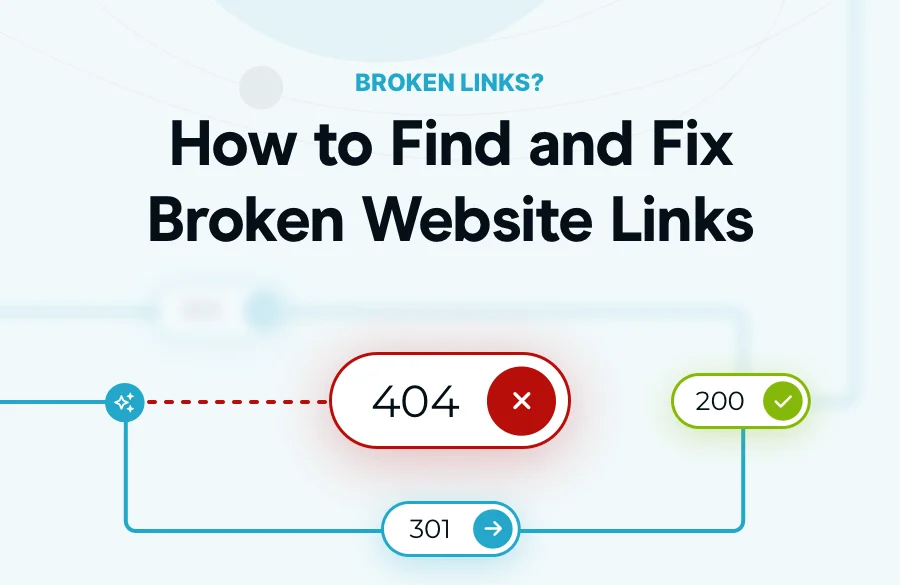
To effectively clean up your catalog layouts and ensure your media assets render instantly on every browser, you must categorize your broken links by their exact technical failure point:
Relying on a fragmented database full of outdated image paths introduces massive operational overhead. Every time a browser attempts to load a missing image link, it forces the server to process a redundant, dead-end request. When multiplied across a catalog of hundreds of items, these 404 asset responses stall page rendering, inflate your bounce rates, and consume valuable server bandwidth that should be used for closing sales.
Structuring your store over a clean, audited media pipeline entirely neutralizes this bottleneck. Centralizing your product assets inside optimized database arrays ensures that variant switches, grid updates, and mobile lazy-loading configurations map together perfectly. This clean data environment keeps browser cache operations running efficiently, allowing your storefront to instantly fetch high-resolution product views for prospective buyers worldwide.
At TY ALPHA, TECHNOLOGY, we specialize in building fast, well-mapped storefront structures that minimize database errors and keep your media pipelines pristine from day one.
Evaluating the core technical traits and catalog workflows that separate broken, unoptimized layouts from stable, professional digital storefronts:
| Architecture Factor | Unoptimized Media Feeds | Structured Asset Delivery |
|---|---|---|
| Path Structuring | Uses brittle, hardcoded file references that break during domain migrations or platform updates. | Employs dynamic, platform-native asset tags that automatically scale across environments. |
| Hosting Autonomy | Relies on third-party vendor URLs that break when external links change or expire. | Hosts all item photos locally or inside dedicated, secure cloud storage buckets. |
| Fallback Protection | Displays broken red 'X' flags or blank space, ruining layout grids and breaking trust. | Triggers clean, styled fallback image placeholders instantly via native frontend error handling. |
| SEO & Indexing Health | Generates hundreds of 404 logs, triggering search crawlers to penalize your store layout. | Maintains 100% clean 200 OK responses, ensuring optimal indexing across search networks. |
| Loading Performance | Stalls browser parsing times while trying to fetch missing media from broken pathways. | Utilizes modern formats like WebP/AVIF served via CDN for sub-second visual rendering. |
Fixing your broken image paths is only the first step; you must also ensure that your functional image links do not compromise page performance. Incorporating multi-angle gallery views, interactive zoom panels, and high-resolution variant swatches can severely clutter your storefront code if implemented poorly. Heavy, uncompressed image payloads stall mobile browser requests, driving away users on slower mobile connections.
To protect your storefront's conversion rates, it is crucial to combine clean database paths with modern image optimization techniques. We focus on implementing asynchronous lazy loading, dynamic source-set configurations, and next-generation image formats. This approach ensures that your product grids adapt fluidly to any display size and render instantly, delivering a fast path to purchase.
Pairing a stable, error-free database structure with an ultra-responsive frontend layout gives your e-commerce brand a lasting competitive edge. Keeping your file naming conventions clear and your code overhead light minimizes server errors, pleases modern search engine algorithms, and provides buyers with a reliable shopping journey.
Relying on unstable, unmanaged templates or unoptimized plugin architectures means your business is constantly exposed to unexpected catalog breakages. Sustainable brand equity is unlocked when you build a stable digital property that has absolute ownership over its assets, code pathways, and data relations. While off-the-shelf themes offer speed initially, a fine-tuned, reliable storefront is where high user retention and strong profit margins are secured over the long haul.
When your database paths, media distributions, and asset compressions operate in harmony, your site maintenance costs drop significantly. Global buyers browse through your catalog categories effortlessly, item presentations remain consistent across devices, and your marketing spend translates into successful, visual-rich customer conversions. Our engineering philosophy centers on balancing solid database cleanliness with efficient frontends to secure your independent retail ecosystem.
To comprehensively scan your catalog, fix defective asset pathways, and protect your digital store layout from future breakages, we deploy a disciplined 6-step roadmap:
We run specialized deep-crawlers across your entire storefront layout to pinpoint every hidden 404 asset link and broken product image path.
We rewrite broken absolute URLs into platform-native dynamic relative paths to guarantee consistent assets across staging and production.
We retrieve orphan imagery scattered across external supplier locations and secure them inside your dedicated cloud storage environment.
We build lightweight frontend event handlers that display polished, stylized placeholder imagery if a catalog photo ever gets misplaced.
We batch-convert outdated media formats into ultra-lightweight WebP/AVIF file configurations to dramatically speed up mobile load times.
We deploy continuous broken-link alert systems that scan your live inventory updates daily, keeping your store layout clean and secure.
Transitioning from a basic webpage to a fully optimized, high-converting retail storefront is a major milestone—it is a bold step toward financial independence, brand recognition, and tapping into a global network of digital consumers.
Whether you are building on Shopify, WordPress, or developing a fully custom e-commerce system, we are here to support your growth. If you run into any technical layout conflicts, require assistance connecting complex international payment gateways, or want professional advice on accelerating your store’s loading speeds, we have you covered. The team at TY ALPHA, TECHNOLOGY specializes in keeping digital architecture clear, simple, and perfectly secure, helping global entrepreneurs build robust online ecosystems designed for sustainable international scaling.
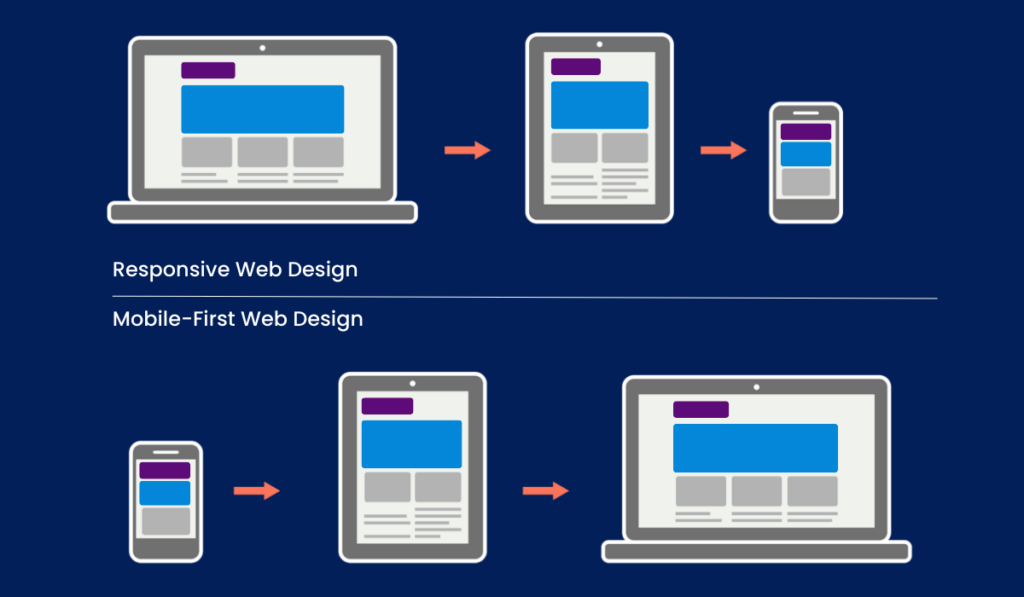
Best practices for clean, intuitive mobile menus and sticky cart features that users can navigate seamlessly.
Read Strategy
Troubleshoot and resolve website crashes or checkout breaks caused by installing incompatible Shopify apps or WooCommerce plugins.
Read Strategy