The Illusion of the Strong Password: Why Single-Factor Access is an Open Invitation to Hackers
For enterprise founders, platform administrators, and security leads, protecting the entrance to your site's
backend database is a constant challenge. For decades, the standard security model relied on a single barrier:
the traditional username and password. Yet, in today's sophisticated threat landscape, relying on passwords
alone is no longer enough to protect your assets. At TY ALPHA, TECHNOLOGY, we specialize in
building resilient, high-security infrastructure architectures, and we know that even the most complex,
24-character password cannot protect your business if it is compromised via phishing, keystroke logging, or
database leaks.
To understand why single-factor authentication fails, we must look at how modern credentials are stolen.
Hackers do not just guess passwords; they use automated credential-stuffing software that tests billions of
leaked email and password combinations across the web. If one of your team members reuses a password from an
compromised external site, an attacker can gain administrative entry to your entire store in seconds.
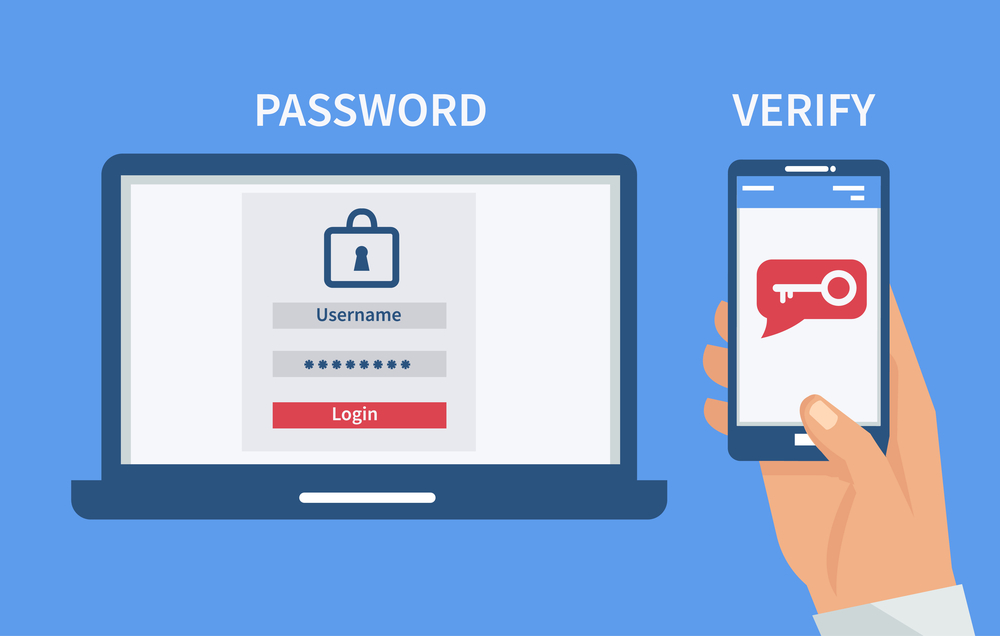
Two-Factor Authentication (2FA) solves this fatal vulnerability by requiring two distinct forms of evidence to
prove an identity: something the user knows (their password) and something the user has (a temporary physical
token, mobile authenticator code, or biometric key).
Implementing 2FA across your organization does more than block unauthorized access. It builds an active
culture of cyber security, satisfies international data protection laws, and ensures your critical customer
files remain safe from malicious exploitation.