The Security Gateway: Why Running a Modern E-commerce Shop Demands Absolute Encryption
For ambitious digital retailers, growing DTC brands, and corporate web administrators, launch day is a
hard-earned milestone. You carefully design a high-converting store layout, connect payment processing
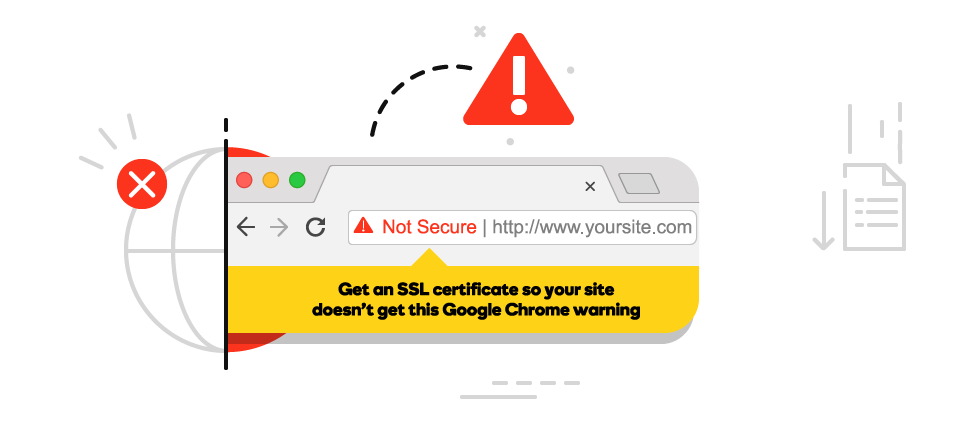
gateways, and upload product lines. Yet, without one critical security layer, modern web browsers will
actively block customers from accessing your site. At TY ALPHA, TECHNOLOGY, we have helped
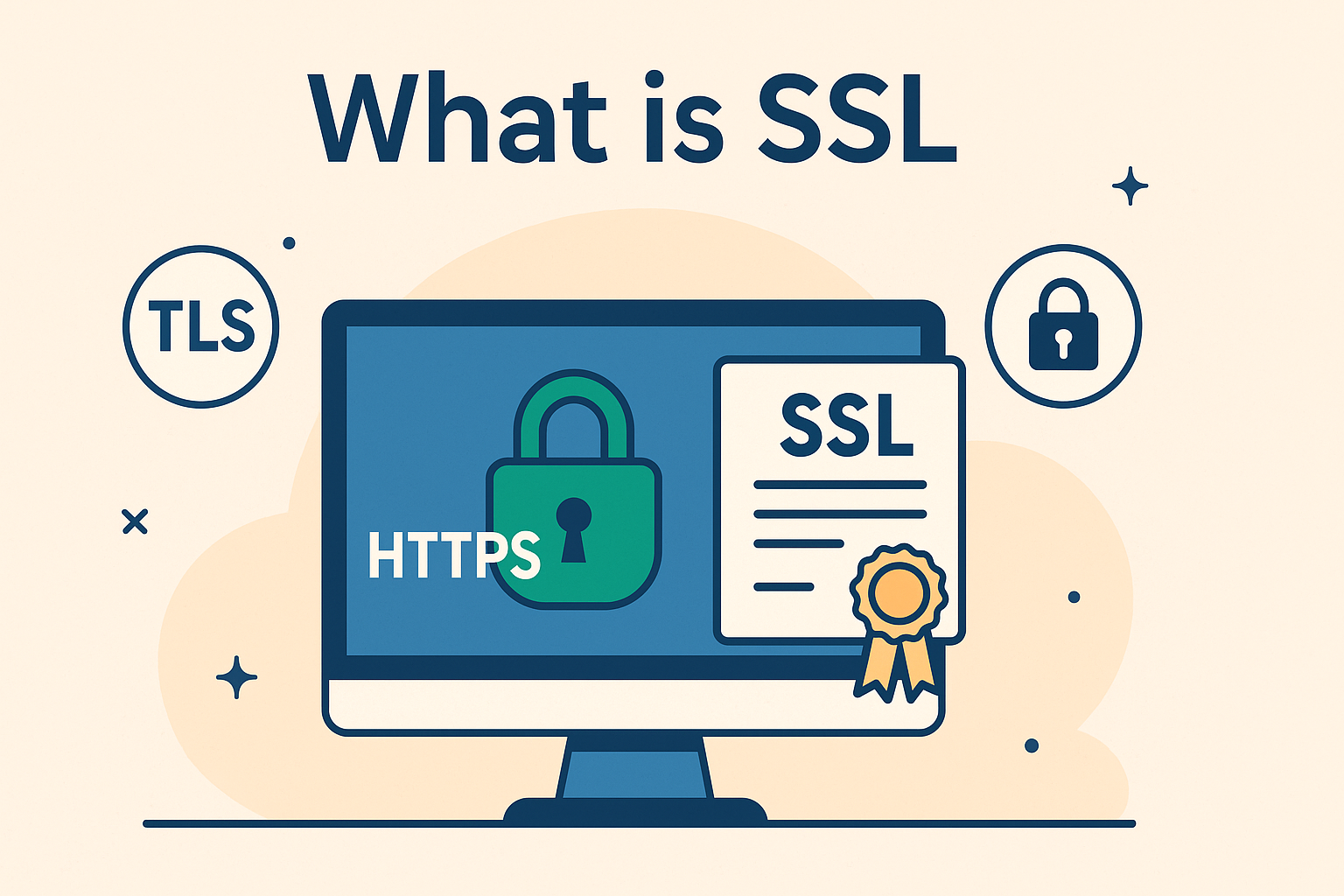
hundreds of brands secure their digital assets, and we know that an SSL (Secure Sockets Layer) certificate is
no longer a luxury—it is the essential foundation of consumer trust and transaction safety on the web.
An SSL certificate is a cryptographic file installed on your web server that establishes an encrypted link
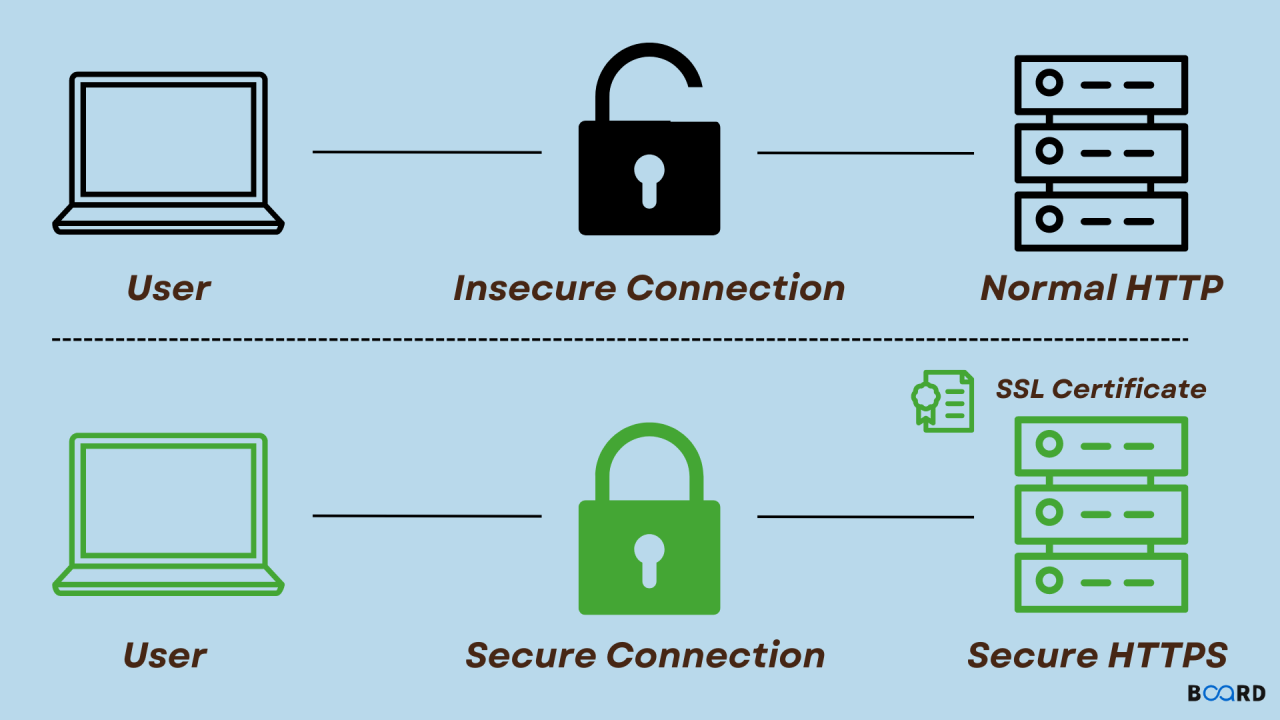
between your website and your visitor’s web browser. When a user visits a site without SSL, any data they
submit—such as credit card numbers, passwords, or home addresses—is sent across the internet in plain,
unencrypted text. This makes it incredibly easy for hackers to intercept and steal that sensitive information.
By activating an SSL certificate, you change your site's protocol from standard "http://" to the secure
"https://", turning raw input data into unreadable code that only your secure server can decrypt.
However, setting up a secure e-commerce environment involves more than just getting a basic green padlock. To
fully protect your brand, your development team must understand how public-key cryptography works, choose the
right validation levels, and prevent warning messages from scaring away paying customers.