The Invisible Wall: How Insecure Asset Delivery Kills Your Conversion Funnels
For web engineering teams, e-commerce managers, and digital growth directors, few technical setbacks are as
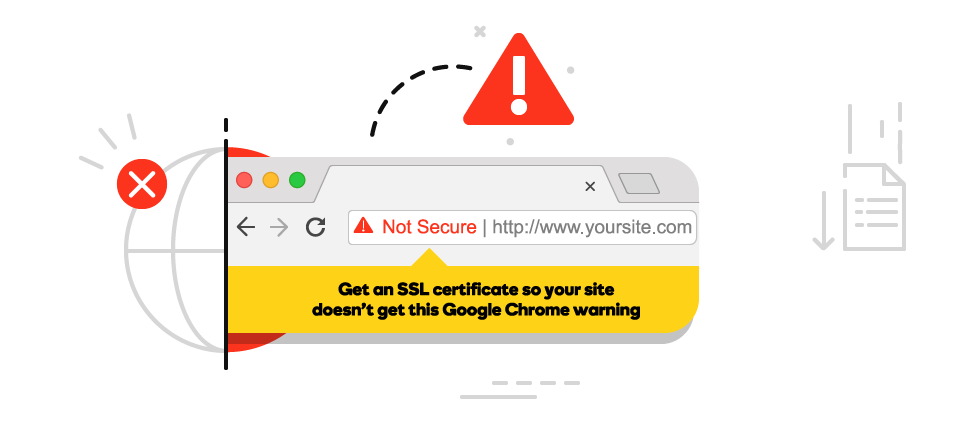
damaging to brand reputation as the dreaded "Not Secure" warning. You may have already purchased and
successfully installed a valid SSL certificate on your hosting server. Yet, when visitors load your site, the
expected lock icon is missing, replaced instead by an alarming warning icon or a message stating "Your
connection to this site is not fully secure." At TY ALPHA, TECHNOLOGY, we know this issue is
rarely a problem with the SSL certificate itself; rather, it is a symptom of a highly common architectural
error known as **Mixed Content**.
Mixed content occurs when the initial HTML of a webpage is loaded over a secure "HTTPS" connection, but
secondary assets within that page—such as images, CSS stylesheets, JavaScript files, or custom fonts—are still
being pulled from old, insecure "HTTP" links. Modern web browsers view this as a severe security gap. If an
attacker intercepts your visitors' connections, they can easily tamper with those unencrypted HTTP scripts,
injecting malicious code or tracking user behavior. To protect consumers, browsers like Chrome, Safari, and
Edge actively flag these pages, destroying user trust and causing shopping cart abandonment rates to skyrocket
in seconds.
Resolving the "Not Secure" warning requires looking beyond simple page-refresh solutions. To establish a
permanently secure environment, your engineering team must run thorough asset audits, perform safe database
search-and-replace queries, and set up strict global security headers.