HTTP vs HTTPS for Ecommerce

    Why switching to secure protocol is mandatory for credit card transactions. Understand the architectural differences between unencrypted and encrypted data transfer, maintain PCI-DSS compliance, and protect your checkout funnels from modern cyber threats.

    The Protocol Divide: Why Passing Plaintext Data Is a Fatal Flaw in Modern Commerce

    For digital merchants, retail founders, and platform architects, the checkout screen is the most critical stage of the customer journey. It is where marketing spend finally transforms into direct business revenue. Yet, if your storefront transmits transaction data over an outdated, unencrypted connection, your business is highly vulnerable. At TY ALPHA, TECHNOLOGY, we have helped numerous brands build secure, high-performance web solutions, and we know that understanding the shift from HTTP to HTTPS is the difference between a thriving storefront and a catastrophic security breach.

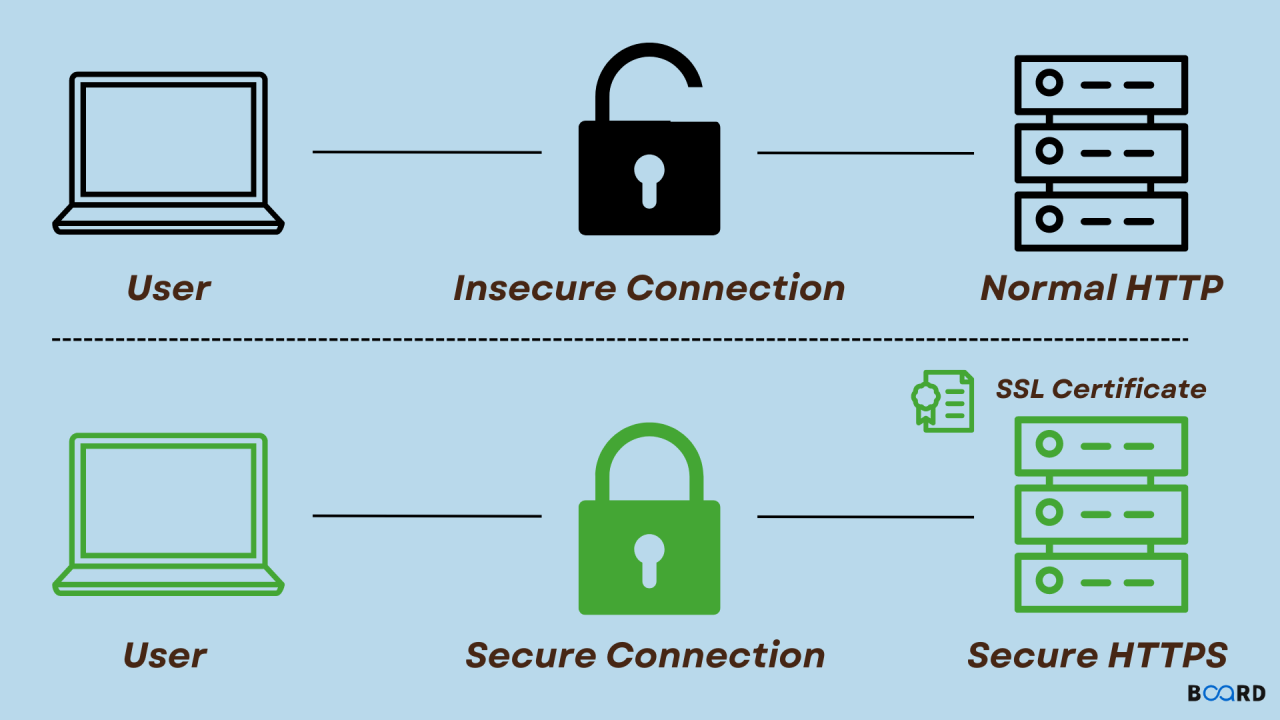
    To understand this shift, we must look at how the web handles communication. HTTP (Hypertext Transfer Protocol) was designed as a simple system to request and send text pages across networks. However, it completely lacks built-in security. Any data sent over HTTP—including credit card numbers, CVV codes, and shipping addresses—travels as unencrypted plaintext. If a hacker intercepts this stream, they can easily read every detail. HTTPS (Hypertext Transfer Protocol Secure) solves this fatal flaw by adding a secure cryptographic layer (SSL/TLS) that scrambles your customers' data before it leaves their device, ensuring only your secure payment gateway can read it.

    But making the switch to HTTPS involves more than just keeping hackers out. To run a successful online store, your team must also navigate international credit card compliance standards, protect your brand's reputation, and optimize your site for modern search engines.

    HTTP vs HTTPS Security Protocols for Ecommerce by TY ALPHA TECHNOLOGY

    The Five Technical Pillars of HTTPS Transaction Security

    To secure your checkout processes and protect your customers' financial data, a modern HTTPS configuration relies on these five core pillars:

    • Asymmetric Public-Key Cryptography: Using a pair of secure keys (a public key to encrypt the customer's data, and a private key kept safe on your server to decrypt it) to ensure transaction details cannot be stolen in transit.
    • PCI-DSS Compliance Alignment: Fulfilling the strict security requirements of the Payment Card Industry Data Security Standard, which legally forbids processing credit cards over unencrypted connections.
    • Payment Gateway Integration: Meeting the technical demands of modern payment platforms (like Stripe, PayPal, or Authorized.Net) which will actively block their APIs from working on insecure pages.
    • Active Data Integrity Controls: Using secure message verification codes to ensure that transaction amounts, product IDs, and shipping addresses are not altered during transit.
    • Secure Browser State indicators: Instructing modern web browsers to display the trusted padlock icon and secure green indicators, removing any "Not Secure" warning banners.

    The Compliance Advantage: Avoiding Costly Fees and Gateway Bans

    The primary business benefit of utilizing a fully secure HTTPS connection is staying compliant with international payment processing rules. If you attempt to process credit card details over standard HTTP, you are violating PCI-DSS requirements. This can lead to heavy financial penalties, increased processing fees, and even having your merchant accounts permanently banned by major credit card brands.

    Beyond avoiding legal and financial issues, HTTPS is also a major factor in your search visibility. Google's ranking algorithms prioritize fully secure websites, meaning an HTTP store will struggle to show up in organic search results. At TY ALPHA, TECHNOLOGY, we help scaling brands audit their connection protocols, migrate their systems to secure endpoints, and build fast, reliable web setups designed for long-term growth.


    The Protocol Matrix: HTTP vs. HTTPS for Retail

    This structured matrix compares the performance, security, and compliance differences between unencrypted HTTP and secure HTTPS:

    Operational Metric Standard HTTP (Unencrypted) Secure HTTPS (Encrypted)
    Data Encryption **None.** Data is transmitted in clear plaintext, easily readable by anyone intercepting the network. **Strong Cryptographic Encryption.** Scrambles all data using advanced algorithms (like AES-256) before transmission.
    Credit Card Safety **Extremely Vulnerable.** Exposed to packet-sniffing and session-hijacking attacks on public Wi-Fi networks. **Highly Secure.** Keeps credit card numbers, CVVs, and user passwords safe from data theft.
    PCI-DSS Compliance **Non-Compliant.** Fails basic security standards, making your business liable for expensive compliance audits and fines. **Fully Compliant.** Meets global security standards for processing customer credit card payments safely.
    Google Search Ranking **Actively Penalized.** Ranked lower by search engines and flagged with prominent "Not Secure" browser warnings. **Actively Boosted.** Rewarded with higher organic search visibility and a clean, secure lock icon in browsers.

    Refining the Connection: Why Secure Protocol Demands High-Speed Systems

    A common mistake for growing online stores is assuming that turning on HTTPS is all it takes to build a secure checkout experience. While encryption is essential to protect customer data, the process of running cryptographic handshakes can put a strain on slow, outdated web servers. If your hosting setup is unoptimized, this extra step can add lag to your page speeds, leading to frustrated shoppers and abandoned carts right at the finish line.

    To deliver a truly seamless shopping experience, your team must pair your secure HTTPS protocols with a fast, modern hosting infrastructure. This means using servers configured with HTTP/2 or HTTP/3 protocols (which optimize encrypted connections), setting up smart server-side caching, and deploying your site across global Content Delivery Networks (CDNs). By combining strong data encryption with a fast, responsive server setup, you protect your customers' financial data without slowing down their checkout journey.


    Migrating Your Online Store to HTTPS: A 6-Step Implementation Plan

    To audit your active web settings, deploy a secure certificate, and route your e-commerce platform onto an encrypted connection, follow these six steps:

    1. Map out Your Current Store Assets

    Run a full audit of your store's active pages to locate all scripts, external pixels, and image files that need to be updated to HTTPS.

    2. Install a Valid SSL/TLS Certificate

    Acquire and install a secure certificate (such as Let's Encrypt or a premium EV certificate) on your web hosting server.

    3. Update Your Web Address inside CMS Settings

    Log into your e-commerce platform dashboard (such as WooCommerce or Magento) and change your site URL settings from "http://" to "https://".

    4. Enforce Global Server-Level HTTPS Redirects

    Configure your server files (like your `.htaccess` or Nginx configs) to automatically redirect all old "HTTP" traffic to your secure "HTTPS" address.

    5. Perform a Comprehensive Database Link Search-and-Replace

    Scan your database to convert any hardcoded "http://" links to "https://", ensuring all your assets load securely and avoiding mixed content errors.

    6. Test and Verify Your Secure Checkout Process

    Run trial transactions to confirm that payment details are processed smoothly and that the secure lock icon is consistently displayed on all checkout pages.


    Ready to Secure Your Checkout Experience and Boost Customer Trust?

    Upgrading your e-commerce platform to HTTPS is an essential business milestone—it shields your customers' credit card data from theft, keeps your merchant accounts compliant with international standards, and builds the deep trust your brand needs to scale.

    If your business requires a professional security audit, help setting up enterprise-grade SSL configurations, or expert engineering support to build a fast online platform, we are ready to assist you. The development and server optimization team at TY ALPHA, TECHNOLOGY specializes in keeping online environments fast, stable, and highly secure, helping corporate leaders build robust web architectures designed for long-term growth.