The Growth Bottleneck: How Underpowered Infrastructure Silently Limits Your Scaling Potential
For scaling retail founders, digital marketing leads, and platform managers, witnessing a consistent climb in
organic traffic and daily sales is the ultimate validation of business strategy. However, as your customer
database expands and your marketing campaigns drive larger concurrent crowds to your storefront, your
underlying hardware faces an invisible, mathematical breaking point. Many growing brands realize their server
is failing only after a catastrophic crash during a major promotion. At TY ALPHA, TECHNOLOGY,
we believe that smart business scaling requires identifying the early warning signs of server strain and
proactively transitioning from shared resources to isolated setups before performance drops damage your user
experience.
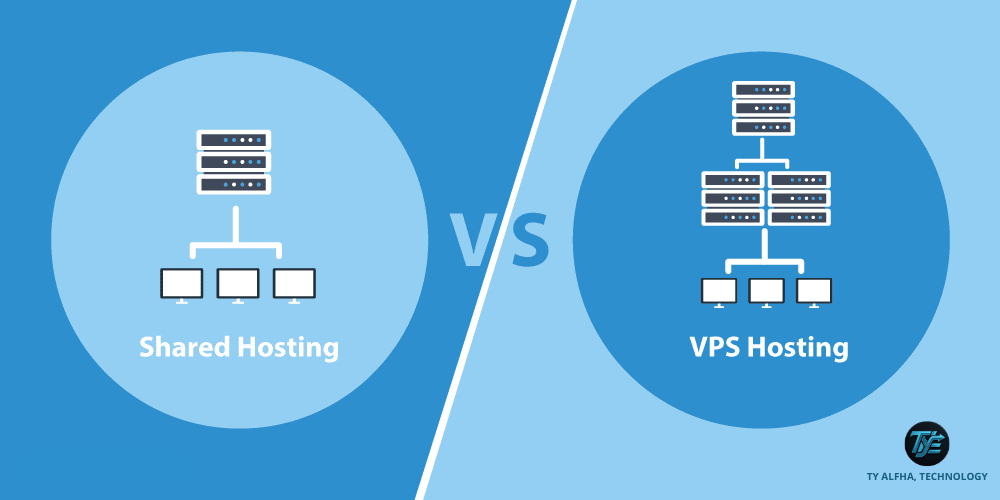
In an introductory shared hosting environment, your website lives on a server with hundreds of other tenants,
all pulling from the same physical CPU, RAM, and network bandwidth. As your store grows, your dynamic
operations—such as processing payment checkouts, executing live product searches, and managing customer
carts—require deeper memory allocations. When these requests exceed the rigid limits set by your budget host,
the server throttles your account. Instead of loading your site, it serves slow-loading pages, database
connection errors, or outright crashes. Transitioning to a Virtual Private Server (VPS) or a dedicated cloud
node ensures your scaling storefront operates with guaranteed, isolated hardware allocations designed to
handle high-volume transactional workloads.
However, executing a successful infrastructure upgrade means looking beyond simple uptime percentages. To
protect your brand's reputation and search engine rankings, your development team must analyze backend error
codes, track your memory consumption trends, and evaluate database query bottlenecks.