Canonical URLs: What They Are and How to Use Them Correctly

    Master duplicate content consolidation and URL canonicalization. Implement rel="canonical" link tags, cross-domain attributes, and HTTP header headers to unify page equity and protect search engine index integrity.

    The Canonical Framework: Unifying Page Authority and Eliminating Duplicate Content

    For enterprise web architects, technical SEO managers, and digital product owners, managing URL variations across complex web applications is critical to maintaining domain authority. A canonical URL—defined via the rel="canonical" link attribute—serves as the master reference link for a set of duplicate or near-identical web pages. Rather than allowing search engines to split ranking metrics across multiple tracking URLs, parameter strings, or syndication paths, a properly implemented canonical tag consolidates indexing signals into a single authoritative page. At TY ALPHA, TECHNOLOGY, we engineer technical canonicalization strategies that prevent search dilution, eliminate internal keyword competition, and preserve crawl allocation across enterprise digital assets.

    While modern web applications generate dynamic URLs for tracking, sorting, and session management, implementing canonical tags relies on five core technical pillars: Primary URL Consolidation, Parameter & Session Handling, Cross-Domain Content Syndication, Self-Referential Tagging Consistency, and Indexing vs. Signal Transfer Alignment. Instead of leaving search engines to guess which version of a page to prioritize, enterprise web strategy demands an explicit canonical architecture where faceted navigation, HTTPS protocol variations, and multi-regional content variations work in complete structural alignment.

    Correctly declaring canonical references enables organizations to maximize link equity, accelerate index processing for primary landing pages, and maintain a clean, authoritative search footprint.

    If you need expert engineering assistance auditing your URL canonicalization structure, resolving duplicate content issues, or configuring cross-domain canonical headers, our growth team is ready to assist. Click the link at the bottom of the page to connect with our search infrastructure specialists.

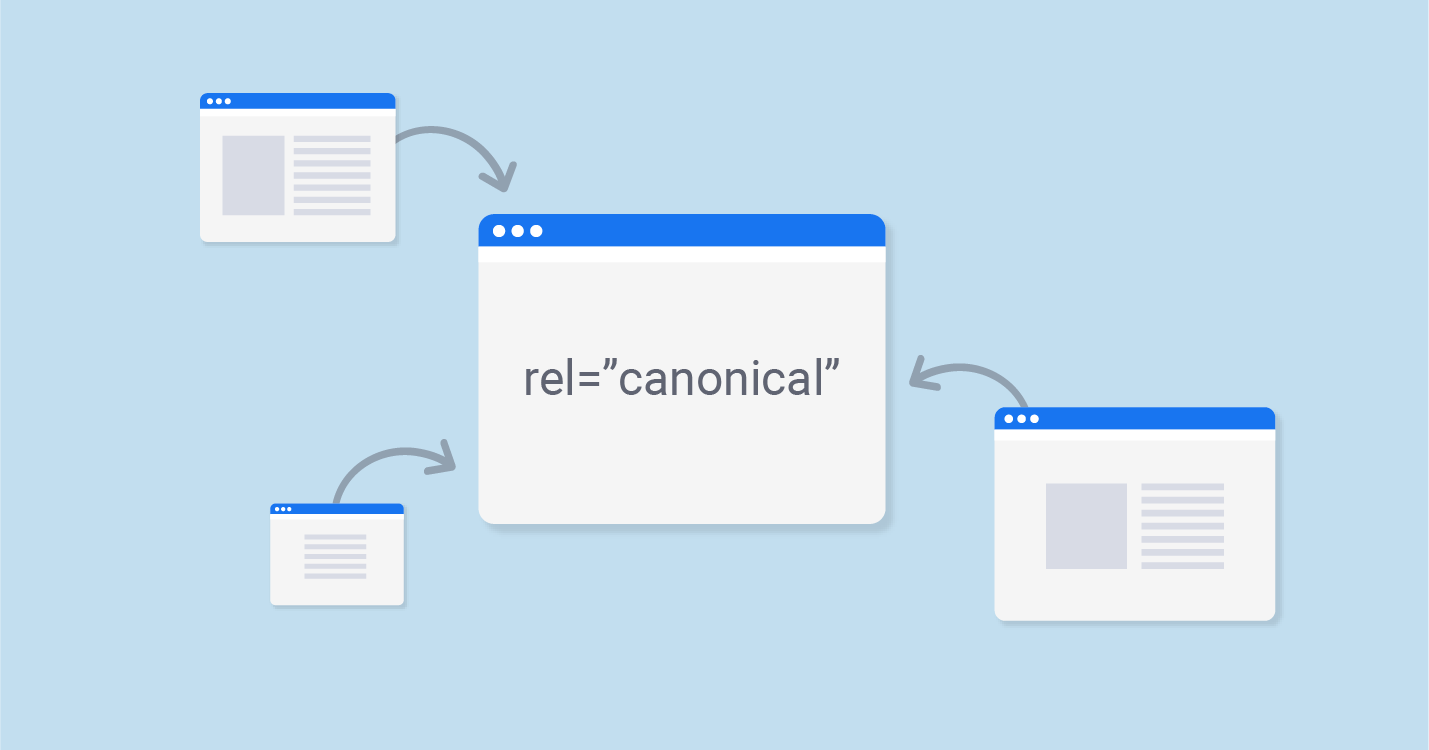
    Canonical URL Architecture and Duplicate Content Consolidation Blueprint by TY ALPHA TECHNOLOGY

    The Core Pillars of Strategic Canonical URL Implementation

    To ensure your canonical tags effectively consolidate page authority and guide search engine indexing, focus on these foundational execution pillars:

    • Self-Referential Canonicalization: Including an explicit canonical tag on unique, standalone pages that points directly to their own canonical HTTPS URL to prevent accidental duplicate indexing via dynamic parameters.
    • Absolute URL Syntax Consistency: Declaring full absolute pathways (e.g., https://domain.com/page/) rather than relative paths within canonical tags to eliminate domain parsing errors by search engine crawlers.
    • Faceted Navigation & Parameter Management: Consolidating product filtering, sorting variations, and marketing tracking parameters (UTM tags) back to the clean master product or collection page URL.
    • Cross-Domain Syndication Controls: Adding canonical references pointing back to the original source URL when publishing content across partner blogs, press outlets, or secondary domain networks.
    • HTTP Header Canonical Implementation: Utilizing HTTP response headers (Link: <URL>; rel="canonical") to declare canonical relationships for non-HTML files such as downloadable PDF documents or media assets.

    The Architectural Advantage: Preserving Authority Across Complex Systems

    The primary operational benefit of mastering canonicalization is building a web platform naturally structured to collect, preserve, and transfer organic ranking signals. When your web infrastructure clearly defines the authoritative version of every page, search engine algorithms accurately assign link equity, social signals, and trust metrics to a single target URL.

    By establishing a clear canonical map across your site hierarchy, you prevent search engine crawlers from wasting crawl budget on duplicate parameter variations. Core landing pages rank faster, sustain long-term authority, and avoid index fragmentation during site migrations or product updates. At TY ALPHA, TECHNOLOGY, we guide organizations to deploy scalable canonical architectures designed to maintain domain integrity across large-scale web applications.


    The Canonical Implementation Matrix: Scenarios and Execution Rules

    This structured matrix compares primary canonicalization scenarios, their technical execution rules, and their direct impact on search engine behavior:

    Canonical Scenario Core Strategic Focus Impact on Indexing & Page Equity
    Self-Referential URL **Primary Content Safeguard.** Pointing clean, standard pages to their exact absolute URL. **Index Integrity.** Prevents dynamic URL parameters from creating duplicate index entries.
    Faceted & Filtered URLs **Parameter Consolidation.** Tagging color, size, or sort variations back to the core URL. **Crawl Efficiency.** Unifies ranking equity while preventing thin content indexing.
    Cross-Domain Content **Syndication Attribution.** Linking syndicated third-party posts back to the original article. **Source Protection.** Ensures original publisher retains primary ranking and link authority.
    Non-HTML Files (PDFs) **HTTP Header Injection.** Applying rel="canonical" via server response headers. **Asset Consolidation.** Transfers ranking signals from documents back to HTML landing pages.

    Strategic Realities: Avoiding Conflicting Canonical Signals and Traps

    A frequent technical error in site architecture is creating conflicting indexing directives—such as adding a noindex tag to a page while pointing its canonical link to another URL, or creating canonical loops (Page A points to Page B, which points back to Page A). Search engine algorithms treat canonical tags as strong hints rather than mandatory directives, meaning conflicting signals will cause search engines to ignore canonical declarations entirely.

    Similarly, pointing canonical links across pages with significantly different content causes search engine crawlers to reject the attribute, leading to unexpected URL indexing and diluted search visibility. Successful canonical execution requires ensuring that target canonical pages contain highly similar content and respond with clean HTTP 200 status codes.


    Implementing Canonical Tags Correctly: A 6-Step Technical Roadmap

    To systematically audit, declare, and validate canonical references across your web application, follow this six-step implementation guide:

    1. Map All Technical URL Variations

    Identify HTTP/HTTPS protocols, trailing slash variations, mobile subdomains, and URL query parameters generated by your backend web server.

    2. Select the Primary HTTPS Canonical Structure

    Establish a single standardized URL format for every page on your domain, choosing your preferred domain, protocol, and trailing slash structure.

    3. Deploy Self-Referential Canonical Links

    Configure your content management system or template engine to automatically insert self-referential canonical tags in the <head> section of standard pages.

    4. Configure Parameter and Facet Canonicalization Rules

    Ensure filter variations, sorting options, and tracking tags dynamically reference the main category or product collection URL.

    5. Apply HTTP Headers for Non-HTML Documents

    Configure server header responses to inject canonical link parameters for downloadable resources like PDF manuals and raw media files.

    6. Audit Canonical Health in Search Console

    Monitor Search Console URL Inspection reports and crawling log files regularly to verify that search engines accept your declared canonical URLs.


    Ready to Consolidate Your URL Architecture and Protect Search Equity?

    Establishing clean canonicalization rules across your platform is essential for eliminating duplicate content, maximizing link equity, and driving scalable organic performance.

    If your organization needs expert guidance auditing canonical structures, resolving indexing errors, or building an enterprise technical SEO framework, we are ready to assist. The engineering and growth team at TY ALPHA, TECHNOLOGY specializes in keeping complex web platforms authoritative, fast, and engineered for maximum search visibility.