Link Building for SEO: How to Earn High-Quality Backlinks
Scale domain authority and organic visibility through sustainable digital PR, data-driven link assets, and authoritative outreach without risking search penalty flags.
Read Strategy
Dominate modern search engine results through semantic content clusters, entity-based SEO, and exhaustive topic coverage without risking keyword cannibalization.
Publishing high-quality, standalone blog posts targeting individual high-volume keywords was once the gold standard of search engine optimization. However, modern search engine algorithms—driven by natural language processing and entity-based indexing—no longer evaluate web pages in total isolation. Many site owners notice that despite writing well-researched, lengthy articles, their rankings plateau or plummet. This usually happens because search engines view the domain as lacking holistic depth across the broader subject matter.
Search algorithms like Google's Knowledge Graph and semantic AI systems prioritize websites that demonstrate comprehensive expertise—commonly known as Topical Authority. When you publish disjointed content without structural relationships, search crawlers struggle to map your domain's knowledge core. To establish true authority and secure sustainable top-tier rankings, you must transition from target keyword lists to interconnected knowledge ecosystems that address every stage of a user's intent.
At TY ALPHA, TECHNOLOGY, we engineer high-performance web platforms integrated with clean semantic site architecture. We have compiled this technical playbook to break down pillar-cluster modeling, entity mapping, and structured internal linking so you can establish undeniable topical dominance.

To systematically signal deep subject matter mastery to search engine crawlers without diluting page equity or creating keyword cannibalization, you must deploy three foundational architectural models:
Publishing deep semantic content is only half the battle; search crawlers must also be able to parse and parse your site's organizational structure with zero ambiguity. Relying solely on visual design or basic HTML headers to signal content relationships introduces crawl inefficiency. If search engine bots waste crawl budget parsing disorganised links or unmapped categories, your topical relevance signals become diluted.
Operating your content architecture over a clean technical platform integrated with structured JSON-LD Schema
markup eliminates these indexing gaps. Implementing precise Article, DefinedTerm,
and HasPart structured data explicitly instructs search bots on how each cluster node relates to
the core pillar. This machine-readable clarity ensures your domain earns higher semantic trust, protecting
your rankings during major search algorithm updates.
At TY ALPHA, TECHNOLOGY, we build optimized content management frameworks paired with automated schema generation, ensuring your authority signals remain crystal clear during rapid publishing scaling.
Evaluating the critical structural, analytical, and performance differences between traditional keyword-based publishing and structured topical authority architectures:
| SEO Attribute | Fragmented Keyword Posting | Topical Cluster Frameworks |
|---|---|---|
| Content Planning Strategy | Isolated articles written around individual keyword search volumes with no overarching structural map. | Exhaustive topic trees featuring broad pillar guides supported by dedicated cluster sub-pages. |
| Search Crawler Interpretation | Crawlers view pages as disconnected units, increasing the risk of keyword cannibalization. | Crawlers identify a clear semantic ecosystem, recognizing the domain as a primary subject authority. |
| Internal Linking Architecture | Random or non-existent internal links that fail to distribute PageRank or signal topical relevance. | Strict, siloes internal link pathways connecting sub-topics bidirectionally to parent pillar hubs. |
| Algorithm Update Resilience | High vulnerability to core quality updates due to superficial or overlapping content depth. | High stability during search updates driven by verified entity coverage and clear structural relationships. |
| User Engagement & Retention | Visitors bounce after reading one answer because adjacent reading pathways are missing. | Visitors navigate logically through related sub-topics, increasing dwell time and conversion actions. |
When your content cluster strategy expands to cover hundreds of interconnected articles, your web architecture must be optimized to handle extensive internal link graphs and heavy media assets. If your pillar pages or long-form technical guides are slowed down by bloated page builders, heavy script execution, or unoptimized database queries, search engine crawlers will reduce their crawl frequency, delaying the indexation of new cluster nodes.
To protect your organic authority investments, writing clean, streamlined code is essential. We focus on lightweight frontend architectures, efficient database indexing, dynamic asset caching, and clean DOM structures. This ensures that even your most content-rich pillar pages render instantly on any device, satisfying Core Web Vitals metrics and keeping search crawlers indexing your entire site efficiently.
Pairing a rigorous topical authority strategy with a high-speed, technically flawless web architecture provides an unshakeable organic growth engine. Keeping your site code clean and your content logically structured lowers crawl costs, delights users, and earns long-term organic search dominance.
Relying exclusively on paid acquisition channels or third-party social platforms means your business is constantly paying for temporary visibility. Real digital enterprise value is built when you transform your domain into an authoritative, self-sustaining organic acquisition engine that owns its audience traffic. While paid ads provide instant feedback, a domain rich in topical authority compounds in value over time, generating high-intent traffic at zero marginal cost.
When your technical speed, structured entity mapping, and seamless user experience operate in harmony, your reliance on costly ad campaigns drops significantly. Industry buyers find your content at every stage of their search journey, trust your technical depth, and naturally convert into long-term clients. Our development approach unites technical web performance with strategic content architecture to help you build an enduring digital moat.
To systematically audit your current content footprint, map your industry's entity landscape, and build an authoritative search architecture, we execute a clear 6-step roadmap:
We analyze your target market to map all core entities, sub-topics, user intents, and semantic relationships.
We audit existing content to resolve overlapping keywords, prune thin pages, and identify critical coverage gaps.
We architect a structured content map detailing master pillar topics and supporting sub-cluster article relationships.
We configure strict internal linking structures and deploy JSON-LD Schema markup to explicitly signal hierarchy to search bots.
We craft comprehensive, entity-optimized guides engineered to answer user queries with unmatched thoroughness.
We run deep technical performance audits, optimize Core Web Vitals, and verify rapid indexation across all newly deployed clusters.
Transitioning from a basic blog layout to an interconnected, highly authoritative knowledge hub is a pivotal milestone—it is a strategic step toward dominating organic search rankings, establishing industry leadership, and securing sustainable inbound traffic.
Whether you are scaling content on WordPress, Headless CMS setups, or building a fully custom web system, we are here to power your organic growth. If you encounter technical site architecture hurdles, require complex Schema markup integrations, or want professional guidance on accelerating your website's performance and crawlability, we have you covered. The team at TY ALPHA, TECHNOLOGY specializes in keeping web architecture clean, fast, and semantically precise, helping ambitious brands build resilient digital ecosystems designed for long-term topical authority.
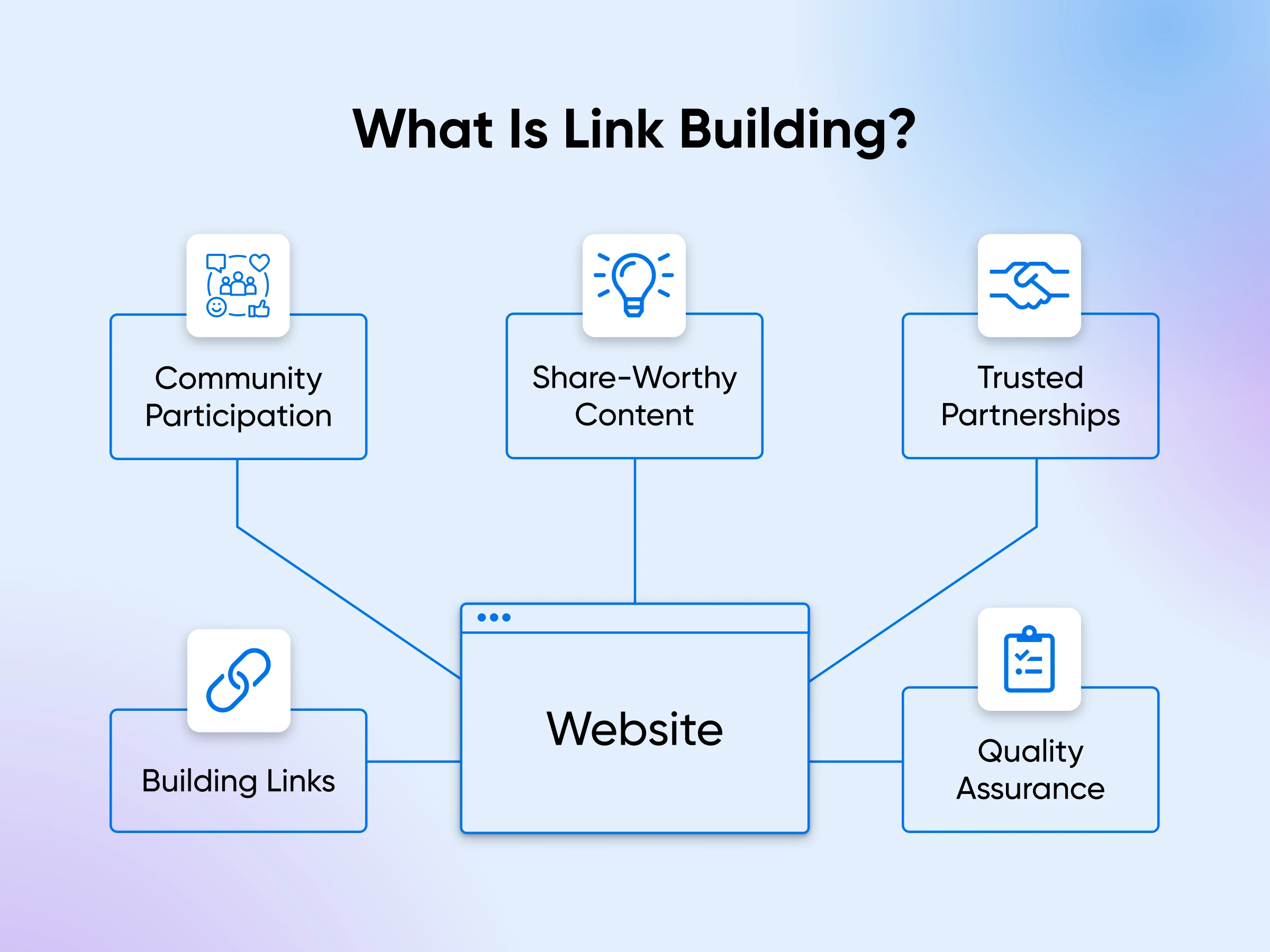
Scale domain authority and organic visibility through sustainable digital PR, data-driven link assets, and authoritative outreach without risking search penalty flags.
Read Strategy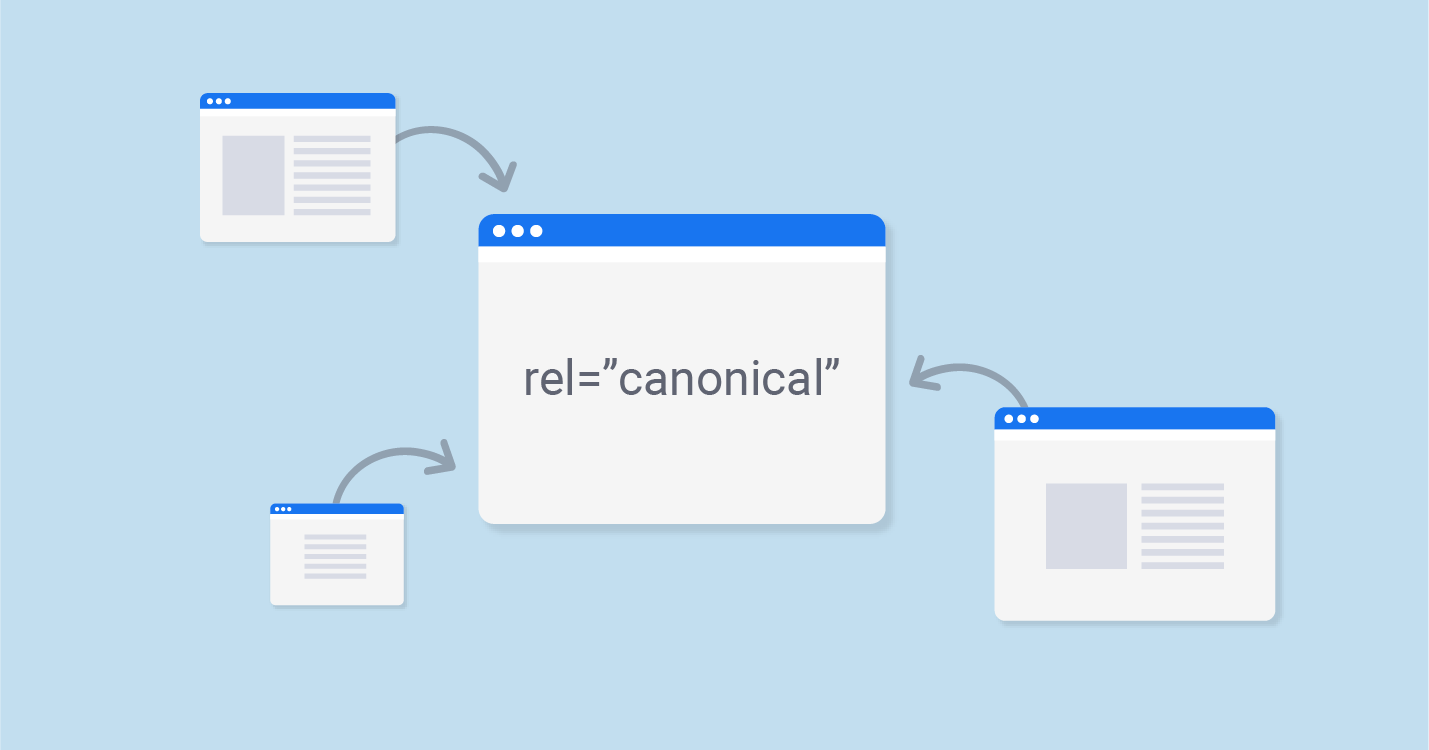
Master duplicate content consolidation and URL canonicalization. Implement rel="canonical" link tags, cross-domain attributes, and HTTP header headers to unify page equity and protect search engine index integrity.
Read Strategy