How to Accept International Payments from Customers Worldwide
A comprehensive technical and operational guide to integrating multi-currency payment infrastructure and local payment methods for global e-commerce scaling.
Read Strategy
An in-depth technical, financial, and strategic evaluation comparing two global payment processing giants to guide your digital infrastructure decisions.
Choosing between Stripe and PayPal is one of the most critical infrastructure decisions for fast-growing digital businesses, e-commerce storefronts, and international enterprise platforms. Both platforms process hundreds of billions of dollars globally, providing secure card acquiring, multi-currency processing, and robust fraud prevention frameworks. However, their core philosophies, target audiences, and integration methodologies cater to distinctly different merchant needs.
In 2026, evaluating Stripe versus PayPal requires looking beyond basic brand recognition. Merchants must examine API flexibility, checkout flow ownership, fee structures, local payment method support, dispute management, and developer ecosystem agility. While Stripe remains the leading choice for developer-driven custom implementations and SaaS recurring models, PayPal offers unparalleled global consumer trust, brand recognition, and a turn-key wallet ecosystem.
At TY ALPHA TECHNOLOGY, we specialize in engineering high-performing, secure, and fully customized web development and payment gateway architectures. We have prepared this comprehensive comparative breakdown to analyze the core structural differences between Stripe and PayPal—helping you choose the ideal payment partner for your business goals.
If you need expert assistance auditing transaction costs, configuring multi-currency payment APIs, or building high-converting checkout experiences, our engineering team is ready to help. Click the link at the bottom of the page to connect with our payment specialists.
Understanding how Stripe and PayPal structure their backend processing helps reveal which solution fits your operational stage:
The pricing model of your payment processor directly impacts your net profit margins as your monthly sales volume scales.
Stripe operates on a transparent Flat-Rate Pricing Model (typically 2.9% + $0.30 for standard domestic transactions) with no monthly maintenance or cancellation fees, offering straightforward add-ons for custom billing or advanced fraud protection. Conversely, PayPal’s fee structure varies depending on the product used (PayPal Express Checkout, PayPal Complete Payments, or standard checkout), ranging from 2.59% to 3.49% + $0.49 for domestic transactions, with higher fees for cross-border transactions and currency conversions.
At TY ALPHA TECHNOLOGY, we evaluate your transaction types, cross-border sales volume, and average order value (AOV) to ensure you deploy the most cost-effective processing pipeline for your business.
Evaluating the technical, operational, and financial parameters of Stripe and PayPal:
| Technical & Business Criteria | Stripe | PayPal |
|---|---|---|
| Primary Pricing Model | Flat-Rate (2.9% + $0.30 domestic) with custom high-volume enterprise pricing. | Tiered Flat-Rate (2.59%–3.49% + fixed fee) depending on standard or wallet processing. |
| Integration & Developer Control | High; granular APIs, customizable UI elements, SDKs, and extensive developer tools. | Low to Moderate; simple plug-and-play SDKs, pre-built buttons, and Hosted Fields. |
| Checkout User Experience | Fully white-labeled, embedded, seamless checkout within your domain. | Modal overlay, pop-up window, or off-site redirect (unless using PayPal Complete). |
| Fraud Prevention & Risk AI | Stripe Radar (Machine learning models leveraging global network intelligence). | PayPal Fraud Protection & Seller Protection for eligible digital and physical goods. |
| Dispute & Chargeback Handling | Automated dispute API workflows and evidence submission tools ($15 fee). | Built-in resolution center; seller protection covers qualifying unauthorized payments ($20 fee). |
| Ideal Business Target | SaaS, custom web platforms, marketplaces, developer-led startups, and tech SMBs. | E-commerce stores, traditional retail sites, freelance services, and trusted global brands. |
Whether you choose Stripe or PayPal, technical optimization of your frontend payment interface is vital to preventing cart abandonment. Unnecessary redirects, heavy external JS scripts, or slow API calls introduce friction during critical conversion moments.
To achieve maximum conversion rates, we implement asynchronous script loading, optimize tokenization requests, and dynamically serve localized payment options. For many modern architectures, combining Stripe for seamless credit card processing alongside PayPal as an alternative wallet button delivers the highest possible conversion rate across all customer demographics.
Combining high-speed page execution with a frictionless checkout UI instills immediate shopper trust, improves mobile user experience, and maximizes completed transactions.
To determine whether Stripe or PayPal is the superior choice for your online platform, evaluate your business model against these strategic scenarios:
Choose Stripe if: You are building a custom web application, SaaS platform, subscription model, or multi-vendor marketplace that requires direct API access, automated billing logic, flexible developer hooks, and a completely seamless, branded checkout experience.
Choose PayPal if: You run a traditional e-commerce store, target impulse shoppers who prefer non-card payment methods, or want to leverage immediate brand trust and Seller Protection without complex custom coding.
To help you systematically evaluate, select, and integrate the ideal payment gateway architecture, we follow a structured 6-step execution roadmap:
We analyze your target market, average ticket size, and recurring revenue requirements to select or combine Stripe and PayPal effectively.
We assist in configuring developer applications, setting up webhook endpoints, and verifying business credentials across gateways.
We integrate secure SDKs, establish webhooks for real-time status updates, and implement secure tokenization workflows.
We enable digital wallets (Apple Pay, Google Pay, PayPal Wallet) and BNPL options to optimize user convenience at checkout.
We configure Stripe Radar or PayPal Fraud Rules, execute 3DS authentication protocols, and run comprehensive end-to-end sandbox tests.
We optimize frontend script performance, test mobile responsiveness, and launch your secure live checkout environment.
Selecting and integrating the right payment infrastructure between Stripe and PayPal is essential for maximizing authorization rates, reducing cart abandonment, and growing your digital revenue stream globally.
Whether you need help choosing between Stripe and PayPal, setting up a hybrid gateway strategy, or building a high-converting custom checkout experience, our team is here to help. The technical engineering team at TY ALPHA TECHNOLOGY excels at building ultra-fast, secure, and revenue-optimized payment solutions tailored for scalable online success.

A comprehensive technical and operational guide to integrating multi-currency payment infrastructure and local payment methods for global e-commerce scaling.
Read Strategy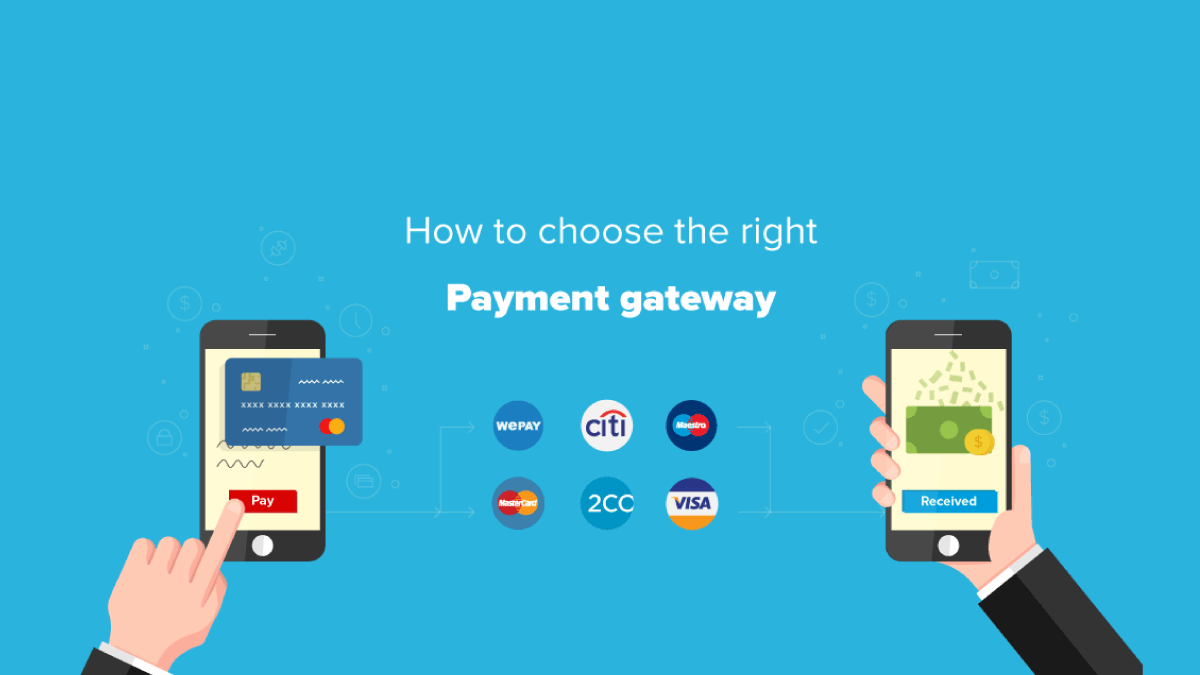
A strategic, technical, and financial framework for selecting, evaluating, and integrating the optimal payment gateway for your digital storefront.
Read Strategy