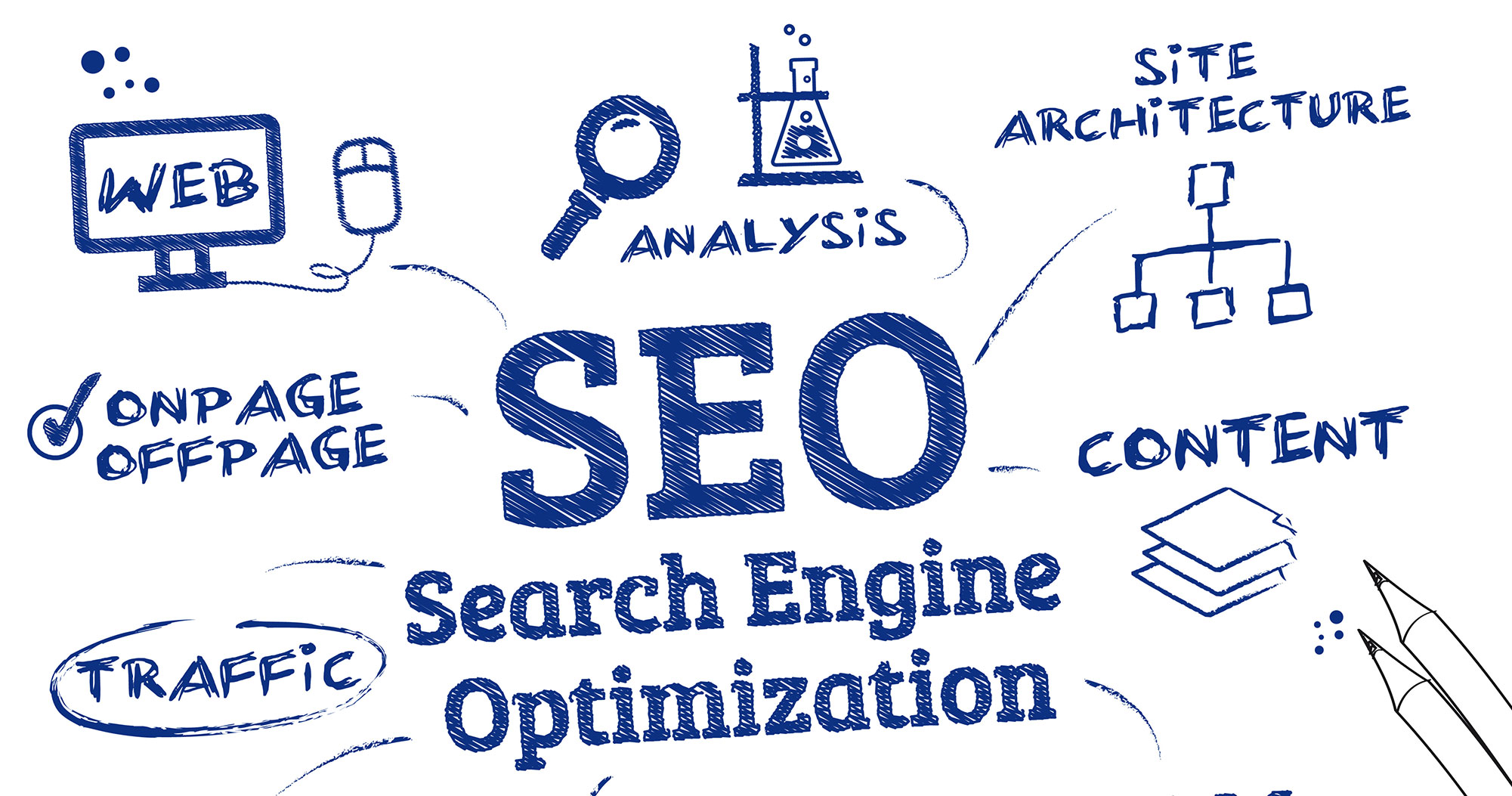
SEO vs. Paid Search: What Is the Difference?

    Compare organic search engine optimization with pay-per-click advertising. Understand the cost models, speed to market, ROI sustainability, and strategic integration needed to maximize your digital acquisition footprint.

    The Search Engine Dual-Engine: Navigating the Dynamics of Organic Authority and Paid Acquisition

    For digital marketing directors, e-commerce strategists, and enterprise growth leads, allocating marketing capital efficiently across search channels is a fundamental strategic decision. When potential clients look for solutions on search engines, they are presented with two distinct types of listings: organic search results and paid search advertisements. Historically, organizations often treated Search Engine Optimization (SEO) and Paid Search (Pay-Per-Click or PPC) as opposing marketing disciplines. Today, modern digital acquisition strategies require a nuanced understanding of how both models function independently and how they complement each other. At TY ALPHA, TECHNOLOGY, we recognize that mastering search visibility requires evaluating the financial mechanics, scalability, and strategic positioning of both organic and paid search channels.

    **SEO** is the practice of optimizing your website’s technical architecture, content quality, and domain authority to earn high organic rankings without paying for individual user clicks. It is a long-term, compounding investment that builds owned digital equity. On the hand, **Paid Search** (such as Google Ads) operates on a direct bidding auction where advertisers pay a fee every time a user clicks on their ad. While Paid Search provides immediate placement at the top of the search engine results page (SERP), traffic stops the moment the ad campaign budget is turned off.

    Understanding the core differences between these two acquisition engines is crucial for optimizing your customer acquisition costs (CAC). To build a high-performing digital marketing mix, leadership teams must analyze how organic sustainability and paid immediacy balance against long-term business goals.

    If you need professional assistance optimizing your search channel strategy, balancing customer acquisition costs, or scaling high-converting hybrid search architectures, our growth team is ready to assist. Click the link at the bottom of the page to connect with our search infrastructure specialists.
    SEO vs Paid Search Strategy Comparison Matrix by TY ALPHA TECHNOLOGY

    Key Differentiators: Comparing Organic SEO and Paid Search Mechanics

    To select the right acquisition model for your commercial strategy, it helps to examine the core operational differences that define SEO and Paid Search:

    • Financial Mechanics & Cost Structure: Paid search requires ongoing ad spend where you pay per click (PPC). SEO requires upfront investment in site engineering, technical health, and content depth, but organic clicks themselves are completely free.
    • Speed to Market & Placement Control: Paid search offers instant visibility at the top of search results within minutes of launching a campaign. SEO is a gradual process that builds ranking velocity over weeks or months of continuous optimization.
    • User Trust & Click-Through Rates (CTR): Organic listings typically command higher overall trust and higher click-through rates from searchers seeking objective solutions, whereas paid ads are explicitly labeled as sponsored content.
    • Traffic Sustainability & Campaign Longevity: SEO assets continue to drive compounding, 24/7 traffic long after publication. Paid search traffic ceases instantly as soon as ad spend budgets are exhausted or paused.
    • Data Feedback & Keyword Testing Velocity: Paid search provides instant, precise conversion data on high-intent search queries within days, which can then be leveraged to guide long-term organic content strategies.

    The Hybrid Advantage: Unlocking Maximum Market Share with Integrated Search Strategies

    The primary commercial advantage of understanding SEO and Paid Search is the ability to deploy a unified, hybrid acquisition strategy. Rather than viewing them as mutually exclusive choices, high-growth brands leverage Paid Search for immediate product launches, seasonal promotions, and rapid keyword testing, while simultaneously building an underlying SEO foundation that continuously lowers overall Customer Acquisition Costs (CAC).

    Dominating both paid ad slots and top organic positions for high-value transactional queries allows your brand to capture maximum SERP real estate. This dual presence increases total click share, reinforces brand authority, and prevents market competitors from capturing customer intent. At TY ALPHA, TECHNOLOGY, we help enterprise leaders architect balanced search frameworks that maximize immediate revenue while building permanent organic domain equity.


    The Search Engine Comparison Matrix: SEO vs. Paid Search

    This structured matrix provides a direct, head-to-head comparison of operational metrics, cost structures, and strategic outcomes between SEO and Paid Search:

    Evaluation Factor Organic Search Optimization (SEO) Paid Search Advertising (PPC)
    Primary Objective **Sustainable Authority.** Earning long-term organic rankings via content depth and technical excellence. **Immediate Lead Generation.** Purchasing top-of-page search visibility for immediate commercial traffic.
    Cost & Margins **Compounding Margins.** High initial strategic setup; zero per-click charges lead to expanding profit margins over time. **Fixed Variable Overhead.** Direct cost-per-click (CPC) expenses that scale linearly with traffic volume.
    Time to Visibility **Medium to Long Term.** Requires 3 to 6 months to establish domain authority and secure stable top-tier rankings. **Instant Launch.** Ads appear live on the search engine results page within minutes of campaign configuration.
    Strategic Risk Profile **Algorithm Dependent.** Subject to search engine updates, requiring ongoing technical maintenance. **Auction Dependent.** Subject to competitive bidding wars, click inflation, and budget depletion.

    Strategic Realities: When to Deploy SEO, Paid Search, or Both

    A common strategic misstep is relying solely on Paid Search without investing in an underlying SEO infrastructure. While paid ads deliver immediate revenue, complete reliance on paid acquisition creates a fragile business model highly vulnerable to rising ad costs and aggressive competitor bidding. Conversely, relying exclusively on SEO during a brand launch can cause slow initial growth while search engines discover and evaluate your new digital platform.

    To optimize your digital acquisition strategy, your organization must evaluate market urgency, cash flow constraints, and long-term brand equity goals. Deploying Paid Search for quick validation and high-intent transactional terms while concurrently building an SEO engine creates a resilient, balanced digital growth strategy.


    Building an Integrated Search Acquisition Framework: A 6-Step Roadmap

    To align your SEO and Paid Search initiatives into a cohesive, high-converting digital acquisition strategy, follow these six steps:

    1. Conduct a Search Channel Cost & Margin Audit

    Evaluate your target customer lifetime value (LTV) and establish acceptable acquisition cost thresholds for both paid clicks and organic investments.

    2. Execute Rapid Keyword Validation via Paid Search

    Launch targeted paid ad campaigns to quickly test conversion rates on commercial keywords before committing resources to long-term SEO content production.

    3. Optimize Technical Architecture for Both Channels

    Ensure your website features fast loading speeds, mobile-first layouts, and clean landing page structures that maximize both ad quality scores and organic crawlability.

    4. Align Organic Content Clusters with High-Converting Paid Keywords

    Take proven, top-converting keywords from your paid campaigns and build comprehensive, long-form organic topic clusters around those specific terms.

    5. Capture Dual SERP Real Estate on Core Brand Terms

    Defend your brand space by running targeted brand ad campaigns while maintaining top organic rankings for your business name and core product lines.

    6. Analyze Cross-Channel Performance and Reallocate Budgets

    Continuously monitor combined attribution metrics, shifting paid ad spend to emerging keywords while organic rankings solidify across core search terms.


    Ready to Master Your Integrated Search Channel Strategy?

    Balancing Organic SEO and Paid Search is the key to building a high-margin, scalable digital customer acquisition pipeline. It provides immediate market validation while building an enduring, high-value digital domain asset.

    If your business requires expert strategic guidance balancing its search marketing portfolio, optimizing technical landing page architectures, or building a high-performance web platform, we are ready to assist. The growth and engineering team at TY ALPHA, TECHNOLOGY specializes in keeping complex digital ecosystems clear, exceptionally fast, and optimized for maximum commercial dominance.