Link Building for SEO: How to Earn High-Quality Backlinks
Scale domain authority and organic visibility through sustainable digital PR, data-driven link assets, and authoritative outreach without risking search penalty flags.
Read Strategy
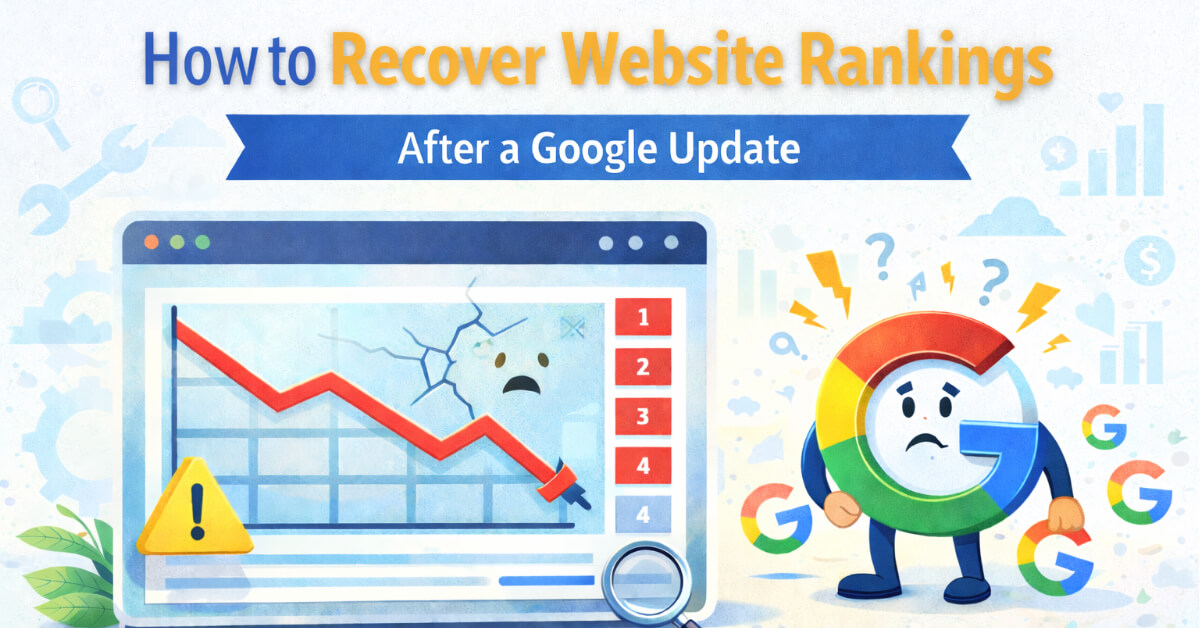
Has your organic search traffic suffered a sudden drop or continuous decline? Diagnose algorithmic penalties, technical errors, and content decay to rapidly restore your organic visibility and market authority.
For digital store owners, corporate leaders, and online publishing teams, experiencing a sudden loss in search engine rankings can be alarming. When core landing pages slide off the first page of Google, the resulting loss in qualified organic traffic can immediately impact pipeline leads and online revenues. However, responding with frantic, uncoordinated changes often worsens the situation. At TY ALPHA, TECHNOLOGY, we advocate for a calm, methodical, and data-driven approach to traffic recovery—diagnosing the precise root cause before executing strategic fixes.
In 2026, search algorithms are more dynamic and multifaceted than ever before. A traffic loss can stem from several distinct factors: a major core algorithm update targeting content quality or user experience, technical site errors such as broken canonical tags or server outages, loss of critical backlinks, or aggressive competitive shifts in search intent. Isolating whether your traffic loss is isolated to specific subdirectories or spread across your entire domain is the first step toward building a successful recovery strategy.
Recovering lost search visibility requires analyzing more than just high-level traffic charts. To systematically restore your organic performance, you must examine Google Search Console indexation logs, historical backlink dynamics, Core Web Vitals performance, and modern semantic content depth.
To pinpoint why your website lost search visibility and execute a precise recovery plan, we evaluate your web platform across five essential pillars:
The primary advantage of a systematic ranking recovery process is that it resolves immediate traffic losses while strengthening your website's overall search architecture. Rather than making random site modifications, a targeted diagnostic approach allows technical teams to fix actual root causes—such as cleaning up broken redirect chains, updating thin content blocks, or removing toxic backlink patterns.
When you align your web platform with modern quality guidelines and search intent standards, your website often returns stronger and more resilient against future algorithm updates. At TY ALPHA, TECHNOLOGY, we help web managers turn ranking setbacks into opportunities to modernize technical infrastructure, optimize user experience, and secure stable long-term visibility.
This structured matrix compares the primary reasons for search ranking drops, key diagnostic signals, and recommended technical recovery actions:
| Potential Cause | Diagnostic Signals & Indicators | Recommended Recovery Action |
|---|---|---|
| Core Algorithm Update Impact | **Site-Wide Traffic Decline.** Gradual or sharp drop coinciding with announced Google updates, affecting multiple page groups without manual messages. | **Content Depth & E-E-A-T Refresh.** Upgrade thin content, demonstrate first-hand expertise, fulfill modern search intent, and remove unhelpful page content. |
| Technical Migration or Crawl Errors | **Sharp Sudden Drop.** Indexation drops in Search Console, spike in 4xx/5xx status codes, improper canonical tags, or inadvertent noindex directives. | **Crawl Audit & Directives Repair.** Fix broken redirects, remove accidental noindex tags, restore corrupted XML sitemaps, and re-submit URLs for indexation. |
| Manual Penalties (Manual Actions) | **Security & Manual Action Alerts.** Direct penalty notifications inside Google Search Console for spam, structured data abuse, or unnatural links. | **Remediation & Reconsideration.** Disavow/remove offending links, clean up deceptive elements, and submit a formal Reconsideration Request. |
| Loss of High-Authority Backlinks | **Segmented Keyword Loss.** Specific URLs drop while technical health remains normal; backlink tracking reveals lost authoritative referral domains. | **Link Recovery & Outreach.** Reclaim lost links, repair broken external links pointing to your site, and build fresh, contextually relevant editorial links. |
| Competitive SERP Displacement | **Localized Ranking Shifts.** Single keyword drops where competitors introduced updated formats, rich snippets, or faster loading speeds. | **Competitive SERP Audit.** Analyze top-ranking competitors, integrate structured schema markup, and modernize page layout and Core Web Vitals. |
Recovering from a ranking drop is only half the battle; maintaining steady search visibility requires ongoing technical vigilance and proactive content maintenance. A common mistake digital teams make after recovering traffic is returning to passive site management. Web infrastructure, software libraries, and content assets naturally degrade over time, creating technical friction and content staleness that search engines eventually penalize.
To safeguard your web platform against future volatility, establish automated monitoring for technical health, track Core Web Vitals performance continuously, and regularly update core evergreen content. By treating search optimization as an ongoing engineering discipline, you insulate your digital ecosystem from algorithm swings and build a durable, high-converting organic search presence.
To systematically identify the causes of traffic loss, repair technical faults, and restore your organic search performance, follow these six steps:
Inspect the Manual Actions and Security Issues tabs inside Search Console to rule out explicit penalties or security breaches before proceeding.
Overlay your traffic analytics drop dates with officially confirmed search algorithm updates and unconfirmed industry volatility updates.
Crawl your website to identify broken links, incorrect canonical tags, unwanted noindex directives, or server performance degradation.
Compare dropped pages against top-ranking SERP competitors, identifying missing subtopics, outdated references, or poor user experience signals.
Resolve identified technical issues, fix broken internal redirects, and address artificial or spammy backlink patterns if necessary.
Submit updated XML sitemaps and priority URLs via Search Console, closely monitoring indexation status, impression counts, and position recovery over time.
Diagnosing and reversing a major ranking drop requires deep technical expertise, careful analytical investigation, and precise execution—ensuring your web architecture aligns perfectly with search engine quality standards.
If your business has experienced an unexpected drop in search rankings, an algorithmic penalty, or a sudden loss of organic traffic, our technical recovery team is ready to help. The engineering and search specialists at TY ALPHA, TECHNOLOGY specialize in resolving complex technical SEO issues, restoring organic visibility, and building high-performance web platforms engineered for long-term search success.
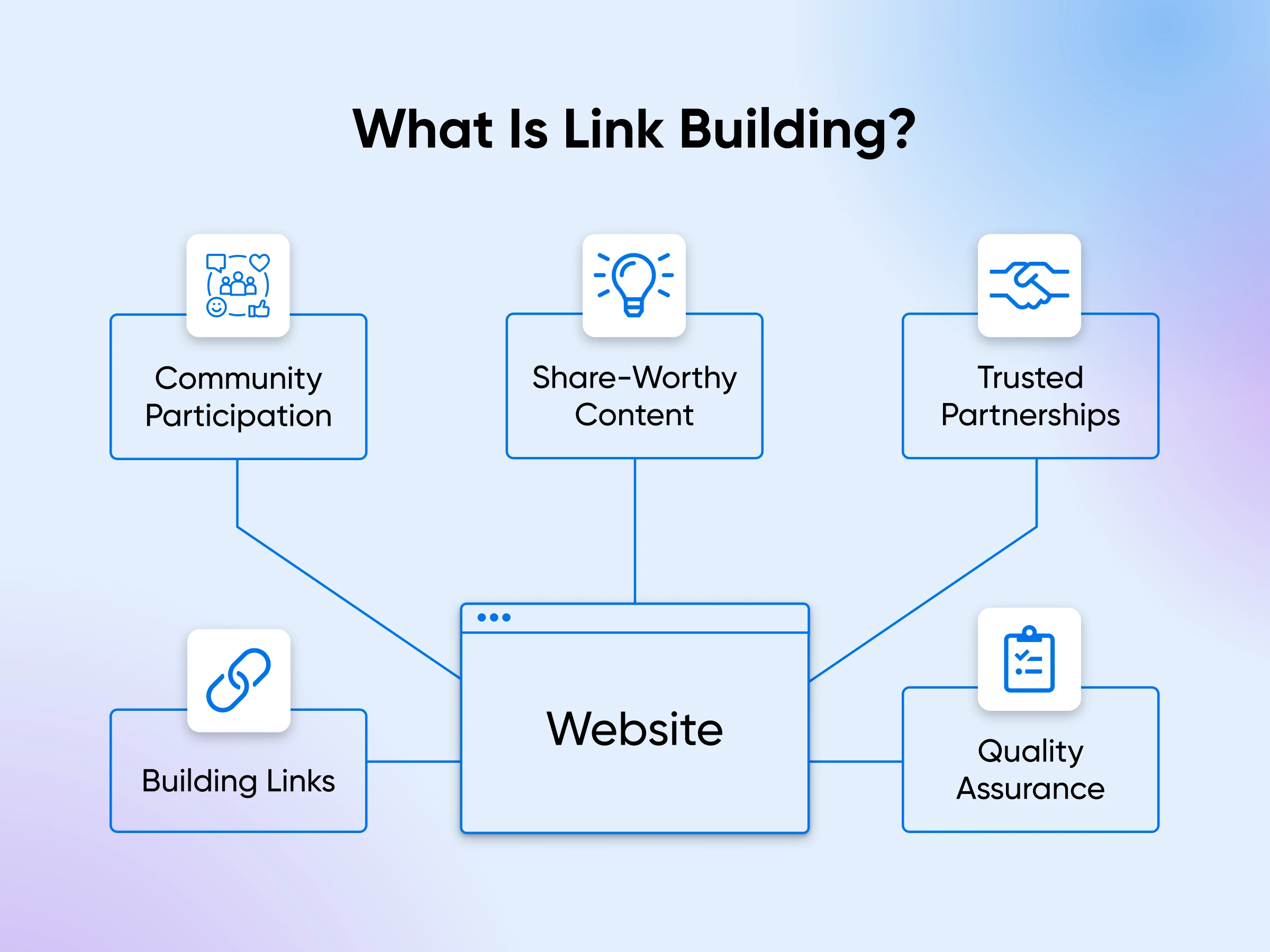
Scale domain authority and organic visibility through sustainable digital PR, data-driven link assets, and authoritative outreach without risking search penalty flags.
Read Strategy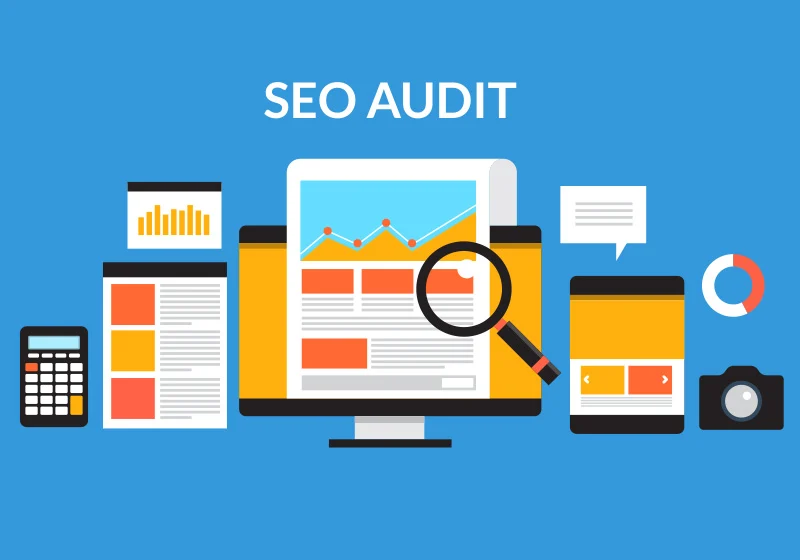
Is your organic search traffic stagnating or falling short of expectations? Evaluate modern technical crawlability, on-page content alignment, and backlink authority factors to secure high-ranking search visibility for your digital platform.
Read Strategy