How to Open a UK Business Bank Account for Non-UK Residents
A comprehensive guide to UK corporate formation, HMRC registration, non-resident banking solutions, GBP payout rails, and cross-border payment gateway integration.
Read Strategy
A comprehensive operational and legal guide to meeting address verification requirements, navigating KYB/KYC compliance checks, avoiding document rejections, and securing cross-border business accounts.
In the evolving landscape of global digital commerce, securing and maintaining multi-currency corporate bank accounts is fundamental to international operations. However, one of the most persistent operational bottlenecks faced by global founders, remote digital agencies, and e-commerce entrepreneurs is successfully clearing the Proof of Address (PoA) stage during Know Your Customer (KYC) and Know Your Business (KYB) onboarding.
Fintech banking platforms and global financial institutions operate under strict anti-money laundering (AML) protocols and regulatory mandates enforced by international authorities. When automated verification systems detect mismatched address formats, unverified virtual offices, or non-compliant utility bills, account applications are immediately rejected or flagged for compliance reviews. Understanding how to correctly document and verify your operational and corporate presence is essential to unlocking cross-border banking access.
If you need professional assistance configuring resilient e-commerce payment infrastructure, integrating redundant payment gateways, or engineering robust financial software architectures, our technical team is ready to help. Simply click the link at the bottom of the page to connect with our solution specialists.
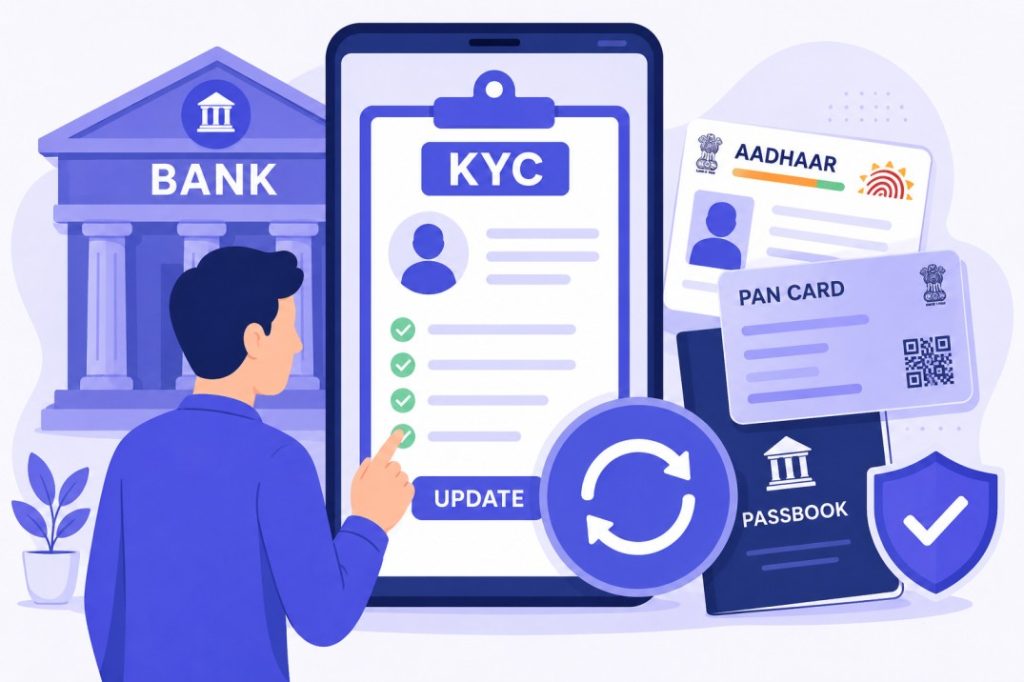
Before submitting documentation to international business banks, compliance and operations teams must identify the primary triggers behind Proof of Address rejections:
While optimizing your KYC/KYB compliance documentation, maintaining operational liquidity requires deploying alternative, highly reliable multi-currency corporate payment platforms:
1. Airwallex: Tailored for high-growth e-commerce brands and global startups, offering local
multi-currency balances, developer-friendly payment APIs, and corporate card management.
2. Revolut Business: A comprehensive corporate platform featuring instant multi-currency
transfers, physical/virtual debit cards, custom API access, and robust multi-entity management.
3. Mercury: The premier US corporate banking platform for global tech startups, offering
multi-currency clearing, zero transaction fees, and deep integrations with Stripe and Shopify.
4. Payoneer: A widely accepted cross-border payout system ideal for marketplace sellers,
freelancers, and international digital service agencies needing local receiving accounts worldwide.
5. Relay Financial: An excellent platform for digital businesses and multi-entity operations,
providing up to 20 individual business accounts, virtual cards, and seamless accounting sync.
Evaluating the structural, compliance, and multi-currency capabilities of leading international business accounts to safeguard your business continuity:
| Platform Name | Account Setup & Monthly Fees | Supported Foreign Currencies | FX Rate Structure | Key Accounting & Gateway Integrations |
|---|---|---|---|---|
| Airwallex | Free ($0 Monthly Base Fee). | 160+ Countries / Multi-Currency. | Interbank Rate (+0.5%–1.0%). | Xero, QuickBooks, Shopify, WooCommerce. |
| Revolut Business | Tiered (Free to Enterprise tiers). | 25+ Currencies. | Transparent Interbank FX Rates. | Xero, QuickBooks, Slack, Custom APIs. |
| Mercury | Free ($0 Monthly Maintenance Fee). | USD Native (Global Wire Support). | 0% Domestic / Minimal Wire Fees. | Stripe, Shopify, QuickBooks, Plaid. |
| Payoneer | Free standard corporate registration. | 7+ Core Receiving Currencies. | Above Mid-Market (~1.5%–2.0%). | Amazon, eBay, Upwork, Walmart. |
| Relay Financial | Free ($0 Base Monthly Tier). | USD Native. | 0% Foreign Transaction Markups. | Xero, QuickBooks, Gusto, Plaid. |
Relying on a single banking channel or payment gateway exposes digital enterprises to severe operational risks during compliance checks or re-verifications.
By implementing intelligent payment routing architectures and multi-gateway web infrastructure, businesses can automatically route transactions across backup processing channels (such as Stripe, Airwallex, or custom merchant APIs) if a primary banking partner initiates an address re-verification review. Webhooks and real-time ledger synchronization allow engineered web platforms to instantly switch payout rails, ensuring zero downtime for SaaS billing, e-commerce checkouts, and international payroll.
This multi-railed infrastructure shields your operations from unexpected compliance holds while maximizing global transaction reliability.
Ensuring seamless Proof of Address approval across online business banks requires adhering to strict documentation and operational standards:
Always ensure that utility bills (electricity, water, gas, or fixed landline internet) or bank statements are issued within the last 90 days and clearly display your full legal name and exact physical street address. Avoid submitting screenshots or cropped mobile photos; always download full, original PDF statements directly from service provider portals. For non-resident directors, obtaining certified physical office leases or official local tax registration certificates provides airtight proof of compliance during KYB evaluations.
Follow this 6-step operational roadmap to prepare, verify, and submit compliant Proof of Address documentation:
Review the exact compliance guidelines of the target online bank to verify whether they require individual director address proof, corporate operational address proof, or both.
Obtain high-trust verification documents such as government-issued tax statements, municipal utility bills, or official bank statements issued within the last 3 months.
Cross-check that street names, building numbers, postal codes, and city spellings match identically across corporate registration files, passport IDs, and proof documents.
Download original PDF files directly from account portals without altering, editing, or converting them through image manipulation software.
Upload the verified documents through the bank's secure portal, ensuring clear visibility of all four corners of the document and readable official logos.
Maintain pre-verified secondary business banking accounts across alternative fintech platforms to safeguard operational liquidity during periodic KYC updates.
Integrating resilient multi-gateway payment systems with high-performance cross-border web architectures protects your business operations from payment provider interruptions and costly downtime.
Whether you are launching an e-commerce platform, integrating multi-currency payment gateways, or engineering custom software ecosystems, our engineering team is ready to execute your vision. The technical specialists at TY ALPHA TECHNOLOGY excel at building ultra-fast, secure, and revenue-optimized digital systems designed for international commercial success.
A comprehensive guide to UK corporate formation, HMRC registration, non-resident banking solutions, GBP payout rails, and cross-border payment gateway integration.
Read Strategy
A comprehensive guide to global corporate neobanking, remote KYB onboarding, virtual USD/EUR/GBP clearing accounts, multi-currency treasury management, and cross-border API integrations.
Read Strategy