How to Improve Your Website’s On-Page SEO Step by Step

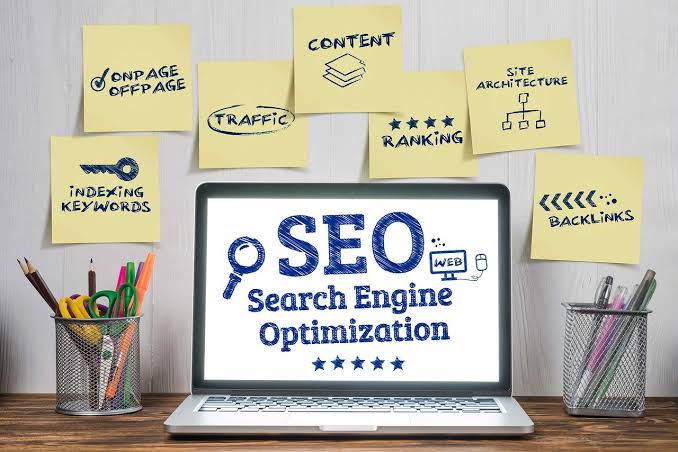
    Master the step-by-step process of aligning technical execution, strategic content hierarchy, and user experience to dominate organic search results. Harness the power of systematic on-page optimization to elevate rankings, maximize search accessibility, and convert organic visitors with zero friction.

    The Structural Advantage: How Systematic On-Page Optimization Drives Organic Growth

    For enterprise brand managers, content directors, and digital marketing leads, achieving sustainable search visibility requires a precise, methodical approach to on-page execution. Your on-page framework forms the fundamental foundation of your digital ecosystem—serving as the direct communication interface between your site and search engine crawlers. Historically, on-page optimization focused primarily on basic keyword repetition and meta tags. Today, the rapid evolution of search algorithms and user behavior has turned page-level optimization into an interconnected, high-leverage technical discipline. At TY ALPHA, TECHNOLOGY, we recognize that while off-page authority builds search credibility, long-term search dominance depends on engineering clean, highly optimized on-page architecture across every URL.

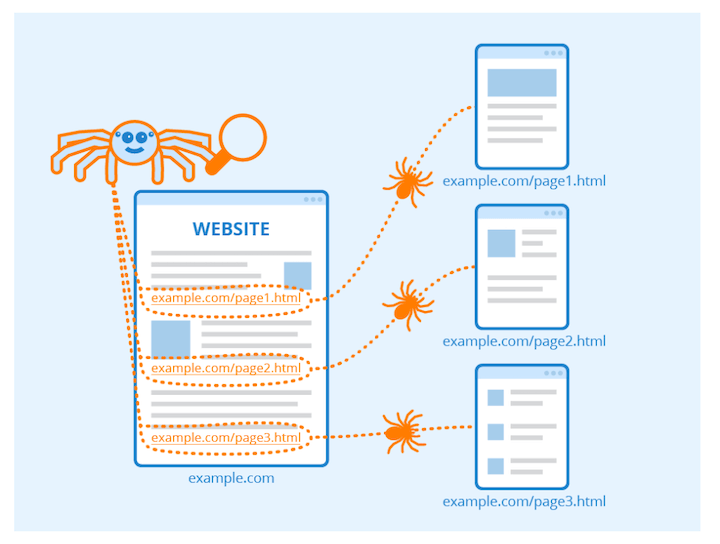
    Modern search crawlers evaluate on-page elements to determine context, topical depth, page speed efficiency, and structural hierarchy. Simultaneously, searchers demand immediate clarity, fast loading times, and intuitive content layout when landing on your pages. By systematically aligning on-page technical factors—such as header tag hierarchies, optimized media assets, internal linking pathways, and structured metadata—you create a high-converting environment for both algorithms and real users. Shortly after deploying structural on-page improvements, search engines index clearer topical signals, while users exhibit longer dwell times and lower bounce rates.

    However, executing step-by-step on-page SEO across enterprise websites requires balancing technical performance, semantic depth, and editorial quality across every page level.

    If you need professional assistance auditing your current on-page architecture, configuring technical SEO frameworks, or scaling site-wide optimization across complex digital ecosystems, our engineering team is ready to assist. Click the link at the bottom of the page to connect with our search architecture specialists.

    Step-by-Step On-Page SEO Architecture and Performance Systems by TY ALPHA TECHNOLOGY

    The Core Pillars of High-Performing On-Page SEO Architecture

    To capture top-tier search rankings while delivering an exceptional user experience, build your strategy around these five core on-page pillars:

    • Strategic Intent & Metadata Optimization: Aligning URL structures, title tags, and meta descriptions with specific user search intent to drive high-converting search clicks and clear topical relevance.
    • Structured Heading Hierarchy (H1–H6): Organizing core content using intuitive, keyword-aligned heading tags that clarify page structure and make scanning effortless for users and bots.
    • Semantic Content & Topical Depth: Integrating primary search terms, secondary entities, and natural LSI modifiers to satisfy user queries completely without keyword stuffing.
    • Internal Link Architecture & Contextual Anchors: Connecting related URLs using descriptive anchor text to pass page authority, guide navigation, and clarify sitewide content relationships.
    • Technical Asset & UX Optimization: Optimizing image file sizes, alt text, page rendering speed, and mobile responsiveness to maximize user retention and core web vitals performance.

    The On-Page Advantage: Unlocking Organic Potential Across Existing Assets

    The primary commercial benefit of executing a systematic on-page SEO methodology is the ability to unlock rapid organic traffic growth from your existing web infrastructure. Refining on-page factors directly boosts ranking velocity and keyword footprint without relying exclusively on ongoing off-page link building campaigns. When search algorithms detect clear semantic signals combined with strong user interaction metrics, page rankings naturally rise across broad query clusters.

    Systematic on-page optimization also prevents structural crawl errors and duplicate content conflicts. By establishing uniform optimization patterns across product lines, service pages, and content hubs, you ensure a cohesive, high-performing presence in search results. At TY ALPHA, TECHNOLOGY, we partner with digital leaders to design structured on-page optimization workflows that transform raw web pages into valuable user acquisition assets.


    The On-Page SEO Optimization Matrix: Evaluating Core Factors and Search Impact

    This structured matrix evaluates the focus, implementation focus, and long-term algorithmic impact of essential on-page optimization components:

    On-Page Component Core Implementation Focus Long-Term Impact on Scalability & Performance
    Metadata & Title Tag Alignment **CTR & Context Priming.** Front-loads core target keywords within pixel limits while incorporating clear action modifiers and brand tags. **High Indexing & CTR Impact.** Establishes immediate topical signals for crawlers while increasing initial search result click-through rates.
    Semantic Heading Structure **Logical Information Architecture.** Structures body content into scannable subtopics using nested header elements (H1, H2, H3). **Featured Snippet Capture.** Enables search algorithms to easily extract key takeaways, lists, and direct answers for rich SERP displays.
    Image & Media Optimization **Page Speed & Accessibility.** Compresses media formats (WebP/AVIF), adds descriptive alt tags, and implements responsive lazy loading. **Core Web Vitals Boost.** Improves mobile loading speeds and visual stability while capturing targeted traffic from image search engines.
    Contextual Internal Linking **Authority Distribution.** Connects related pages within logical content hubs using clear, intent-driven anchor phrases. **Scalable Domain Hierarchy.** Drives search bots efficiently through your site structure while keeping users engaged in deeper sessions.

    Beyond Basic Tags: Why On-Page Optimization Demands Technical Precision

    A common pitfall for scaling web platforms is treating on-page SEO as a superficial checklist limited to filling out meta boxes in a content management system. While metadata is critical, uncoordinated on-page updates often lead to keyword cannibalization, broken internal link paths, and slow load times caused by unoptimized assets. If a page presents conflicting structural signals or fails to load quickly, search engines may lower its ranking potential regardless of content quality.

    Furthermore, on-page optimization must align seamlessly with search intent and user interface design. Mismatches between what users expect when clicking a search result and what the page layout delivers cause immediate page exits, sending negative engagement signals back to search algorithms. To turn your site into a scalable engine for organic growth, your marketing team must combine rigorous technical execution with high-value editorial quality.


    Deploying Your On-Page SEO Framework: A 6-Step Implementation Guide

    To execute a standardized, step-by-step on-page optimization workflow across your website, follow these six implementation steps:

    1. Conduct Target Keyword and Intent Mapping

    Assign a single primary target keyword along with secondary entity terms to each page, ensuring the content matches the exact search intent of your target audience.

    2. Optimize Meta Titles, Descriptions, and URLs

    Draft concise, pixel-compliant meta titles and compelling meta descriptions that include your target keyword and a clean brand separator, while keeping URLs short and descriptive.

    3. Build a Structured Heading Hierarchy (H1–H3)

    Organize page copy under a single H1 header followed by logical H2 and H3 subheadings that incorporate natural variations of your primary and secondary search terms.

    4. Refine Body Copy with Semantic Context

    Enhance the on-page content by introducing relevant entities, contextual synonyms, and structured lists that answer user questions thoroughly without keyword stuffing.

    5. Compress Media and Add Descriptive Alt Text

    Convert site images to modern formats, compress file sizes for fast rendering, and write descriptive alt text that explains media content to both search crawlers and screen readers.

    6. Build Internal Links and Monitor Web Vitals

    Integrate contextual links to related internal resources using descriptive anchor text, then test page performance to ensure optimal Core Web Vitals and loading speeds.


    Ready to Transform Your Website’s On-Page Performance and Search Rankings?

    Mastering step-by-step on-page SEO is a crucial technical milestone—it eliminates indexing confusion, improves page loading efficiency, and converts casual search visitors into active, engaged customers.

    If your enterprise requires an advanced on-page SEO strategy, technical website auditing, or full-stack engineering support to scale your search performance, we are ready to assist. The search engineering and development team at TY ALPHA, TECHNOLOGY specializes in keeping complex digital platforms technically sound, exceptionally fast, and fully optimized for long-term organic growth.