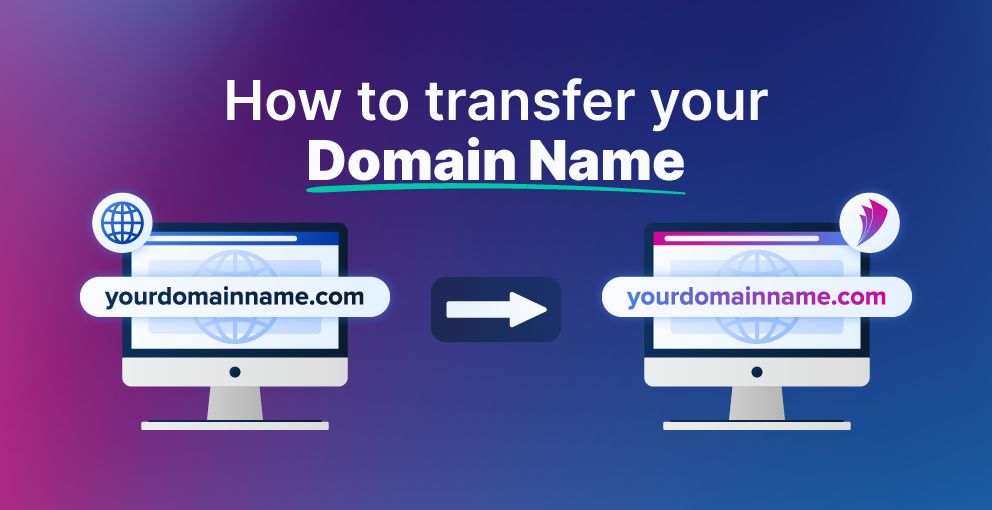
How to Transfer Domain Name

    Moving your web address to another provider easily without causing downtime. Master the step-by-step migration mechanics, keep your DNS records fully active, and transition your digital assets without losing a single visitor.

    The Migration Challenge: Protecting Active Traffic During Registrar Transitions

    For enterprise web administrators, scaling e-commerce brands, and digital operations managers, migrating a core web asset is a highly sensitive technical task. Whether you are fleeing high renewal rates, consolidating a large domain portfolio, or moving to a platform with stronger account security, transferring a domain requires precision. The primary fear for any business owner during this process is unexpected downtime. At TY ALPHA, TECHNOLOGY, we have proven that website dropouts and broken email routing are completely preventable if you understand how DNS caching and ICANN transfer protocols interact.

    A common misconception is that transferring a domain name automatically moves your website's files or email inboxes. In reality, a domain transfer only changes the registrar—the company that manages your annual lease asset. The actual routing of your traffic is controlled entirely by your Domain Name System (DNS) nameservers. Uptime drops occur when the losing registrar abruptly deletes your active DNS zone file during the 5-to-7-day transfer window. By decoupling your DNS management from your domain registrar before starting the move, you ensure your site stays fully accessible to global traffic throughout the migration.

    Executing a zero-downtime transfer requires looking past basic dashboard buttons. To protect your brand's digital presence, your engineering team must audit active zone files, adjust Time to Live (TTL) values, and navigate modern ICANN registration constraints.
    Step-by-Step Domain Transfer Guide by TY ALPHA TECHNOLOGY

    The Five Technical Pillars of Zero-Downtime Domain Transfers

    To move your corporate domain assets smoothly without breaking user connections or dropping emails, your technical team must follow these five core pillars:

    • DNS Zone Decoupling and Replication: Exporting your complete active DNS records (including A, CNAME, MX, and TXT values) and cloning them onto a third-party or target platform before touching registrar settings.
    • Time to Live (TTL) Proactive Optimization: Lowering the caching duration (TTL) of your DNS records to 300 seconds (5 minutes) ahead of time, ensuring any necessary emergency routing updates spread globally in minutes.
    • Losing Registrar Security Unlocking: Accessing your current provider's control panel to turn off security transfer locks and requesting the secure Authorization Code (also known as EPP or TAC code).
    • Registrant Ownership Verification: Aligning with modern ICANN guidelines by verifying your primary registrant contact details, ensuring smooth authorization without triggering unexpected security holds.
    • Nameserver Stability Maintenance: Keeping your active nameservers completely unchanged during the transition window, preventing network resolution drops while the domain is in transit.

    The Strategic Advantage: Smooth Transitions with No Loss of Brand Momentum

    The primary business benefit of executing a structured, zero-downtime domain transfer is the absolute protection of your revenue funnels and search engine rankings. When a migration is handled correctly, your customers, API clients, and email systems notice nothing at all. Your shopping carts stay open, payment gateways process transactions smoothly, and organic marketing campaigns continue driving traffic without losing ranking authority.

    This controlled approach also eliminates the stress of rushing through administrative panels. Your technical team can move assets at their own pace, verifying each security layer as they go. At TY ALPHA, TECHNOLOGY, we guide companies through complex domain migrations, ensuring their online architecture remains stable, highly secure, and perfectly positioned for long-term growth.


    The Domain Migration Matrix: Traditional vs. Zero-Downtime Workflows

    This structured matrix outlines the operational differences, security steps, and downtime risks between basic automated transfers and high-performance, zero-downtime migrations:

    Migration Step Traditional Transfer Workflow (High Downtime Risk) Zero-Downtime Transfer Workflow (TY ALPHA Best Practice)
    DNS Record Handling Left bundled with the old registrar. The records are often wiped as soon as the transfer finishes, breaking web routing. **Pre-Cloned & Decoupled.** DNS records are safely hosted on independent nameservers before any transfer begins.
    TTL Cache Settings Left at default levels (e.g., 24 to 48 hours). Any emergency routing changes take days to roll out across the web. **Optimized to 300 Seconds.** Caching is minimized 24-48 hours before the move, allowing lightning-fast routing updates if needed.
    Email Delivery Status Highly vulnerable. If MX records are accidentally dropped during the move, corporate emails will bounce. **Fully Continuous.** MX and TXT verification records are kept completely active on live nameservers throughout the transition.
    Security Authorization Rushed checks often lead to expired codes, mismatched details, or unexpected 60-day account locks. **Verified Pre-Audit.** Registrant details and TAC/EPP authorization codes are fully verified before starting the transfer.

    Refining the Infrastructure: Why Registry Rules and Transfer Locks Matter

    A common trap during a domain transfer is ignoring ICANN’s strict global registry rules. For instance, under international regulations, a domain cannot be transferred if it was registered or moved within the last 60 days. Additionally, updating the primary registrant email address right before a move can trigger an automatic 30-day security lock. Trying to force a transfer through without checking these rules first can stall your project, leaving your domain stuck between providers.

    To keep your digital assets completely secure, your development team must audit your domain's legal status before starting any migration. This means checking the age of the domain, confirming you have full access to the registrant email, and making sure the domain isn't in a redemption or dispute status. By combining careful administrative planning with a modern, high-speed hosting setup, you protect your brand from sudden technical delays and ensure your web platform remains fast, reliable, and perfectly stable.


    Moving Your Domain Asset Safely: A 6-Step Migration Blueprint

    To audit your active domain settings, secure your authorization codes, and complete your migration to a new provider without any website downtime, follow these six steps:

    1. Map and Export Your Complete DNS Zone File

    Log into your current DNS manager and copy all active A, CNAME, MX, and TXT routing records to prevent data loss.

    2. Reduce TTL Values to Minimize Caching Delays

    Lower your DNS record TTL settings to 300 seconds at least 24 to 48 hours before the move to ensure fast global updates.

    3. Unlock the Domain and Request Your Auth Code

    Disable the registrar lock inside your old account and request your secure Transfer Authorization Code (TAC/EPP).

    4. Submit the Transfer Order at Your New Provider

    Enter your domain name and secret authorization code into your new registrar's dashboard to launch the automated move.

    5. Approve the Transfer via the Registrant Verification Email

    Keep a close eye on your primary registrant email inbox and quickly approve the official transfer requests to avoid processing delays.

    6. Audit and Confirm Live DNS Routing Post-Migration

    Once the move finishes, log into your new dashboard to verify your nameservers are correct and that website and email traffic are running perfectly.


    Ready to Migrate Your Corporate Domain Portfolio with Zero Technical Risk?

    Moving your web addresses to a high-performance, secure registrar is a smart operational step—it shields your business from sudden renewal cost spikes, unifies your brand assets under one roof, and keeps your web presence perfectly stable.

    If your business requires an enterprise-grade domain migration strategy, help moving a complex multi-domain portfolio, or expert engineering support to set up secure DNS environments, we are here to assist you. The team at TY ALPHA, TECHNOLOGY specializes in keeping complex online environments fast, reliable, and highly secure, helping corporate leaders build resilient digital architectures designed for long-term growth.