How to Optimize Your Website Content Without Keyword Stuffing

    Master the art of balancing semantic search relevance with engaging human copy to drive sustainable organic growth. Harness the power of intent-driven content optimization to elevate search rankings, build topical authority, and capture targeted organic traffic with zero penalty risk.

    The Quality Threshold: How Semantic Content Architecture Replaces Over-Optimization

    For enterprise brand managers, content directors, and digital marketing leads, building a sustainable online presence requires far more than repeating target search terms across a page. Modern search engines have evolved beyond basic string matching; they prioritize natural context, depth of coverage, and user satisfaction. Historically, optimizing content meant attempting to hit artificial keyword density percentages—a tactic that frequently resulted in repetitive, low-value copy. Today, search algorithms leverage natural language processing (NLP) to evaluate topical relationships, making quality-first optimization a high-leverage growth strategy. At TY ALPHA, TECHNOLOGY, we recognize that while avoiding aggressive optimization prevents algorithmic penalties, true search performance comes from engineering robust, entity-driven content architecture.

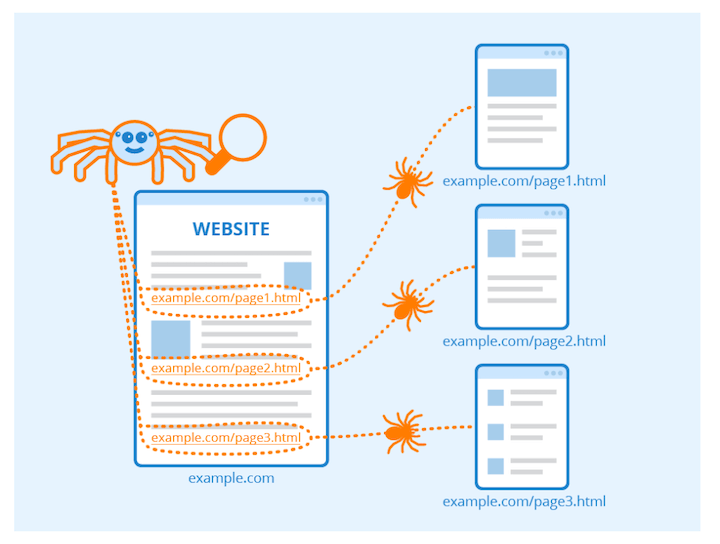
    Advanced search engine crawlers interpret context through entities, synonyms, and related semantic concepts. Simultaneously, human readers expect clear, informative answers that address their specific challenges without forcing them to navigate unnatural phrasing. By aligning your content structure with genuine search intent and semantic depth, you create a seamless bridge between search engine algorithms and audience engagement. When content is optimized for clarity and value, search crawlers reward the page with improved topical authority, while users reward it with longer dwell times and higher conversion rates.

    However, engineering high-ranking content without keyword stuffing requires a structured approach to semantic research, structured data implementation, and natural content hierarchy.

    If you need professional assistance implementing advanced semantic SEO frameworks, auditing your existing content inventory, or scaling your enterprise content strategy, our optimization team is ready to assist. Click the link at the bottom of the page to connect with our search architecture specialists.
    Semantic Content Architecture and Natural SEO Optimization Systems by TY ALPHA TECHNOLOGY

    The Core Pillars of Natural, Semantic Content Optimization

    To achieve top-tier search visibility while maintaining high editorial standards and readability, focus on these five foundational pillars:

    • Topical Authority & Entity Mapping: Focusing on comprehensive subject coverage by incorporating semantically related terms, concepts, and entities rather than repeating a single target keyword.
    • Intent Alignment & User Satisfaction: Structuring page copy to directly address the primary, secondary, and implicit questions of searchers based on their current lifecycle stage.
    • Logical Header Hierarchy (H1–H6): Organizing content into intuitive, scannable subtopics using descriptive headings that naturally contextualize information for both readers and crawlers.
    • Contextual Internal Linking: Connecting related informational assets across your site using natural, descriptive anchor text to distribute page authority and clarify content relationships.
    • Comprehensive Content Depth: Providing actionable value, unique data, or specialized insights that directly fulfill user needs, reducing bounce rates and boosting engagement metrics.

    The Semantic Advantage: Unlocking Organic Visibility Through High-Value Copy

    The primary commercial benefit of optimizing content naturally is building long-term search resilience. High-quality content designed around topical depth rather than repetitive terminology remains effective across search algorithm updates. By prioritizing user clarity, you naturally lower bounce rates and increase engagement signals, demonstrating strong query relevance to search engines.

    This semantic approach also strengthens brand credibility. Delivering polished, authoritative copy across your digital channels establishes trust from the first user interaction. At TY ALPHA, TECHNOLOGY, we partner with digital leaders to develop data-backed content optimization strategies that convert search impressions into durable enterprise value.


    Content Optimization Matrix: Strategy Comparison and Organic Value

    This structured matrix evaluates the focus, editorial application, and strategic impact of core content optimization methodologies:

    Optimization Framework Core Content Focus Long-Term Impact on Scalability & Value
    Semantic Entity Optimization **Contextual Depth.** Integrates primary concepts, supporting terms, and Industry LSI entities naturally across the body copy. **High Search Resilience.** Maximizes ranking capabilities for broad search queries while protecting pages from over-optimization penalties.
    Search Intent Formatting **User Fulfillment.** Formats content directly to answer target questions using tables, bullet points, and concise summaries. **Increased SERP Feature Capture.** Highly effective for winning featured snippets, PAA boxes, and high-converting search placements.
    Topic Cluster Architecture **Interconnected Hubs.** Connects high-level pillar pages with targeted supporting assets through structured internal links. **Scalable Domain Authority.** Establishes comprehensive domain expertise across entire subject categories, lifting site-wide rankings.
    User Experience (UX) Optimization **Scannability & Readability.** Utilizes short paragraphs, visual breaks, and clear subheadings to reduce cognitive load. **Enhanced Engagement Metrics.** Extends average session durations and lowers bounce rates, indirectly boosting organic search signals.

    Beyond Keywords: Balancing Algorithmic Requirements with Human Experience

    A common mistake for scaling digital platforms is focusing solely on algorithmic requirements at the expense of editorial quality. While search crawlers need clear structural cues to parse a page, forcing awkward phrases or forced key terms into copy creates an unpolished user experience. When content feels robotic or repetitive, visitors quickly return to the search results page, signaling a lack of value to search engines.

    Additionally, on-page optimization must align seamlessly with technical metadata and site-wide structure. Disconnects between search snippet promises and on-page reality lead to immediate drop-offs. To build a reliable engine for sustainable organic growth, marketing teams must pair technical optimization with strong editorial standards—ensuring every published page satisfies both search algorithms and target audiences.


    Executing a Keyword-Stuffing-Free Content Strategy: A 6-Step Implementation Guide

    To implement a standardized, semantic content optimization workflow across your site while maintaining high editorial quality, follow these six steps:

    1. Map Search Intent and Core Subject Entities

    Identify the primary goal behind your target query and map out essential secondary concepts, related entities, and user questions that define complete topic coverage.

    2. Establish an Intuitive Content Hierarchy

    Organize the page using logical heading structures (H1, H2, H3) that break down the topic sequentially, ensuring information is easy to scan for both users and crawlers.

    3. Draft Human-Centric, Value-First Copy

    Write clear, engaging text focused entirely on answering user questions and solving problems, allowing key terms and natural variations to appear organically.

    4. Enrich with Semantic Context and Related Terms

    Review the draft to naturally weave in relevant industry terminology, synonyms, and context-defining phrases that reinforce topical depth without forcing exact matches.

    5. Optimize Visual Elements and Scannable Snippets

    Incorporate bulleted lists, comparative tables, and descriptive image alt tags to highlight key takeaways and accommodate fast scanning.

    6. Monitor Engagement Signals and Refresh Content

    Track page performance using analytics and search console metrics. Continuously refine section depth and update information based on user behavior and ranking shifts.


    Ready to Build High-Performing, Penalty-Free Website Content?

    Optimizing your website's content framework is an essential milestone—it eliminates keyword clutter, enhances brand credibility, and turns informational pages into high-converting assets.

    If your organization requires an enterprise content strategy, advanced semantic optimization, or full-stack SEO support to scale your web platform, we are ready to assist. The strategy and search team at TY ALPHA, TECHNOLOGY specializes in keeping complex digital platforms clear, highly authoritative, and search-optimized—helping market leaders build resilient web ecosystems designed for sustainable growth.