Build Online Shop No Coding

    No technical skills required to start selling items with modern builders. Bypass expensive development cycles and discover how intuitive cloud-native platforms empower non-technical founders to launch high-converting storefronts instantly.

    The Democratization of Retail: Bypassing Legacy Systems for Agile Digital Commerce

    For independent creators, scaling local wholesalers, and direct-to-consumer (DTC) startup founders, establishing a secure transactional presence has historically been a complex engineering task. Traditional web retail relied on manual server provisioning, building relational databases, configuring payment gateways, and compiling custom checkout pipelines. This technical wall often locked creative minds out of the digital market. At TY ALPHA, TECHNOLOGY, we believe that the emergence of modern, no-code commerce systems is a crucial shift—one that allows founders to transition from code troubleshooting to focusing entirely on product validation, brand storytelling, and direct customer engagement.

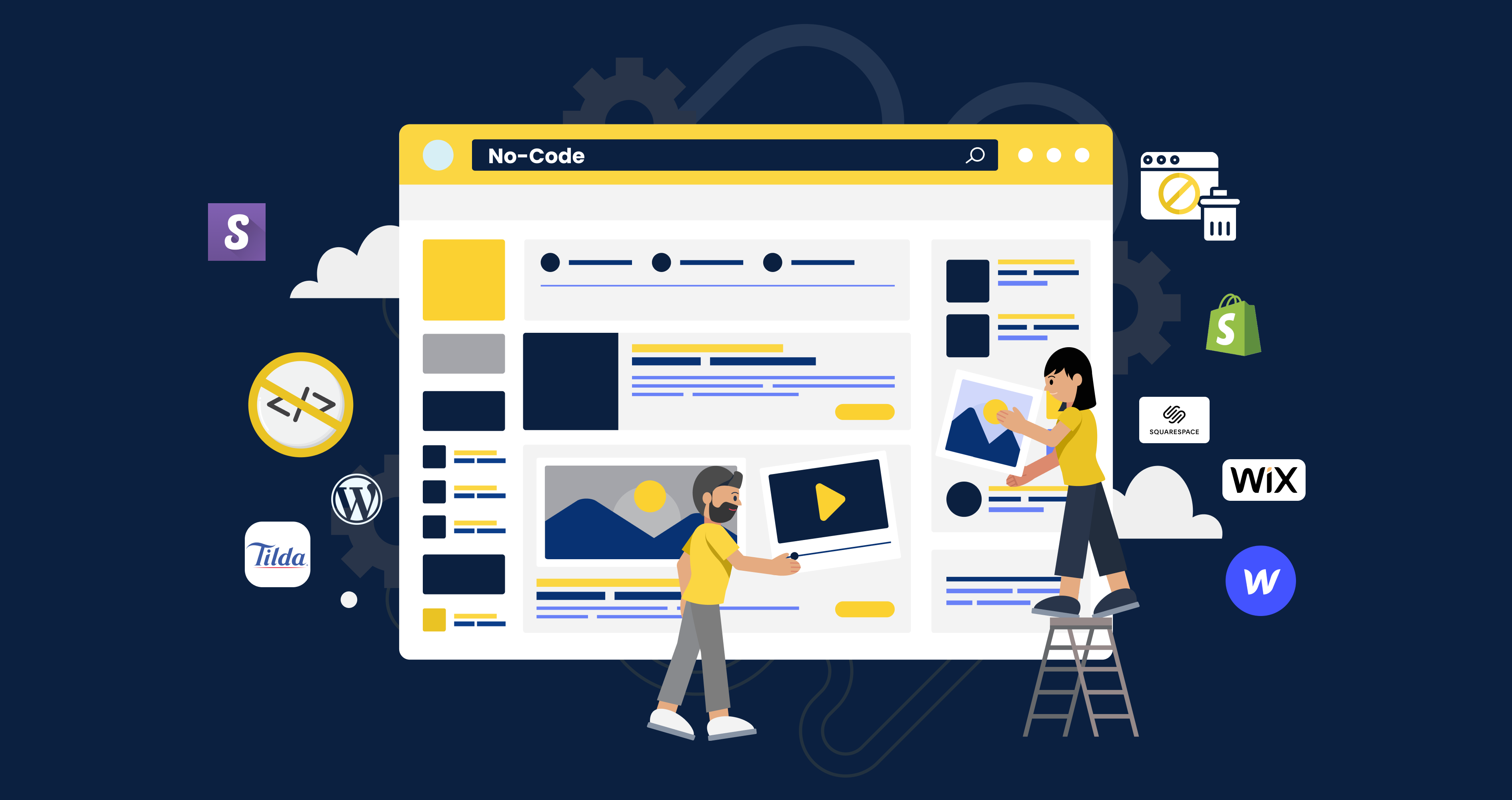
    The contemporary retail landscape has evolved to replace manual programming with highly integrated, cloud-hosted SaaS frameworks. Instead of writing backend database queries or manual CSS alignments, users construct complete digital stores using visual drag-and-drop mechanics, ready-made component sections, and intelligent configuration dashboards. These builders manage core database relationships, checkout security, SSL encryption, and global server scaling completely behind the scenes. This visual development workflow collapses launch timelines from months of heavy development into a matter of hours.

    However, launching a no-code store successfully requires look past simple visual layout setups. To turn a fast-launching prototype into a profitable business, owners must evaluate the platform's core infrastructure. It is essential to choose a system that can handle multi-variant catalogs, direct ERP synchronization, localized translation pathways, and deep-level organic search performance without running into restrictive software walls.

    No-Code E-Commerce Architecture and Integration Strategy by TY ALPHA, TECHNOLOGY

    The Core Frameworks of Modern No-Code E-Commerce

    To select the appropriate level of convenience and structural flexibility for your brand, it helps to analyze the distinct operational models of today's leading no-code platforms:

    • Hosted SaaS Engines (e.g., Shopify): Fully managed ecosystems built purely for scale. They handle security, high-volume server spikes, and complex order management natively, utilizing standardized but highly customizable visual layouts.
    • Visual Canvas Builders (e.g., Wix eCommerce): Ecosystems that prioritize absolute design freedom. They allow users to place elements anywhere on the page, matching unique brand aesthetics without needing custom frontend styling sheets.
    • Aesthetic Layout Blocks (e.g., Squarespace Commerce): Structured grid-based builders optimized for minimalist visual displays, lifestyle collections, and service-hybrid catalogs that value photography over high-volume SKU databases.
    • Automated AI Builders (e.g., Hostinger AI): Conversational prompts automatically construct your product listings, visual layouts, and payment checkouts, providing a fast baseline store within minutes.
    • Advanced Frontend Platforms (e.g., Webflow Commerce): Visual web development tools that export clean, semantic code automatically, providing the customization depth of high-end design houses with a visual interface.

    The Strategic Advantage: Reallocating Technical Capital into Customer Acquisition

    The primary business benefit of utilizing a no-code e-commerce setup is the massive reduction in launch friction and technical overhead. When you do not need to hire a full-time engineering team to manage backend infrastructure, secure your checkout, or deploy server patches, your business retains vital startup capital. These funds can then be directed into high-ROI activities like targeted social media campaigns, premium product manufacturing, and refining customer retention models.

    Additionally, these cloud-native visual tools enable rapid marketing pivots. If your team needs to launch a sudden flash campaign, test a new product variation, or update homepage banners, they can make these updates immediately via their central admin dashboard. At TY ALPHA, TECHNOLOGY, we help scaling brands design, launch, and optimize no-code architectures to ensure their visual simplicity is supported by robust data models built for long-term transaction growth.


    The Strategic No-Code Retail Matrix: Cost vs. Performance

    This structured comparison evaluates the baseline pricing tiers, primary visual workflows, and long-term scaling implications of the leading no-code options:

    Platform Model Average Price / Plan Structures Long-Term Impact on Scalability & Performance
    Hosted SaaS (Shopify) Basic: **~$39/mo**
    Advanced: **~$399/mo**
    **Exceptional Scaling Capability.** Built to handle massive transaction volumes and global checkout loads. Extra costs can accumulate as you add third-party apps for custom marketing workflows.
    Visual Canvas (Wix) Business/Retail Tiers: **~$32 to $159/mo** **Maximum Design Adaptability.** Offers visual freedom for customized brand presentations. Heavy custom graphics may require manual compression to maintain fast mobile speeds.
    Aesthetic Blocks (Squarespace) Business/Commerce Tiers: **~$23 to $52/mo** **Aesthetic Consistency.** Enforces design balance automatically, making it ideal for visual boutiques, though it features limited database flexibility for highly complex catalogs.
    Advanced Frontend (Webflow) Core CMS/Commerce: **~$29 to $49/mo** **Excellent Code Efficiency.** Delivers professional-grade custom layouts and ultra-fast page rendering. Features a moderate learning curve for non-technical users.

    Unlocking Organic Discovery: Optimizing No-Code Stores for Modern Search Engines

    A common concern among traditional developers is that no-code platforms produce heavy, cluttered code that can slow down mobile loading times and limit search engine visibility. While early visual site builders did suffer from these limitations, modern SaaS networks have been thoroughly re-engineered. Today, leading platforms utilize server-side rendering (SSR), global edge CDNs, and dynamic image formatting (such as WebP conversion) natively to ensure that your site easily passes Google's strict Core Web Vitals performance benchmarks.

    From a marketing perspective, these modern systems provide deep access to essential search engine optimization (SEO) controls. Non-technical founders can easily customize schema markup, edit meta titles, manage canonical URLs, and direct redirect configurations right from their admin panels. This ensures that your storefront isn't just easy to build, but is fully optimized to attract organic customer traffic from search engines.


    The 6-Step Blueprint for Launching a Successful No-Code Store

    To deploy an online store quickly while ensuring your platform remains flexible enough to scale, walk your founding team through these six steps:

    1. Map Your Core Product Catalog Complexity

    Define your inventory needs. If you are selling a handful of artisan goods, prioritize simple visual builders; if managing thousands of distinct variations, select an engine with robust relational database capabilities.

    2. Verify Code Portability and Data Ownership

    Ensure you retain complete access to your business data. Confirm that your platform allows you to export customer contact lists, order records, and product matrices if you decide to migrate in the future.

    3. Select Unified Payment Gateways

    Analyze transaction costs. Choose a platform that supports localized, high-security payment methods (like Apple Pay, credit cards, and PayPal) with clear, transparent processing fee schedules.

    4. Optimize Assets for High Loading Speeds

    Format your visual content. Always compress high-resolution product imagery and export web-optimized files (such as WebP format) to guarantee your pages load instantly on mobile displays.

    5. Integrate Multi-Channel Sales Channels

    Connect your central store with social media shops, global marketplaces, and localized ad accounts to ensure your inventory and order tracking sync automatically in real time.

    6. Develop an SEO-Focused Content Strategy

    Enhance automatically generated descriptions. Review your metadata, structure schema scripts, and write helpful, original product descriptions to establish strong search engine rankings from day one.


    Ready to Deploy a Fast, Fully Optimized No-Code Storefront?

    Launching your online shop without complex coding is an essential business milestone—it accelerates your speed to market, keeps your operating capital lean, and defines how effectively your brand connects with target audiences across regional and global trade networks.

    If your enterprise requires an advanced platform strategy, help configuring complex database relationships, or support migrating away from a restrictive visual builder, we are ready to assist. The development and engineering team at TY ALPHA, TECHNOLOGY specializes in designing, deploying, and optimizing robust digital platforms that keep your brand secure, exceptionally fast, and ready for commercial growth.