What Is Payment Orchestration? Everything You Need to Know
A comprehensive technical, financial, and operational guide to multi-processor payment architectures for scaling global enterprise brands.
Read Strategy
Learn which payment gateways and Merchant of Record platforms are best for SaaS businesses, covering recurring subscriptions, usage billing, developer APIs, and global tax compliance.
For Software-as-a-Service (SaaS) platforms and recurring subscription businesses, selecting a payment infrastructure extends far beyond standard transactional credit card processing. A specialized SaaS payment stack must seamlessly manage complex recurring lifecycles—including automated plan upgrades, proration logic, involuntary churn recovery, metered usage billing, and international tax compliance.
As SaaS companies scale globally, managing cross-border transactions introduces severe operational overhead. From collecting and remitting regional sales tax and Value Added Tax (VAT) across hundreds of jurisdictions to optimizing subscription renewal authorization rates, choosing the wrong billing framework can cripple net margins and create massive technical debt.
At TY ALPHA, TECHNOLOGY, we specialize in building fast, secure, and fully customized web development and payment infrastructure solutions. We have created this comprehensive evaluation guide to help SaaS founders, CTOs, and product leaders navigate processing models, compare top gateway platforms, and select the optimal subscription payment stack for their growth stage.
If you need professional assistance engineering custom SaaS billing engines, integrating hybrid usage-based metering, or configuring automated dunning workflows, our technical team is ready to assist. Simply click the link at the bottom of the page to connect with our solution specialists.
SaaS payment platforms must meet specific operational requirements to support modern recurring business models effectively:
SaaS founders must evaluate a foundational architectural decision: operating via a direct Payment Gateway/Processor or utilizing a Merchant of Record (MoR) platform.
Using a traditional Payment Gateway (like Stripe or Adyen) leaves legal liability, global tax registration, localized VAT filings, and dispute management on your company's balance sheet. Conversely, a Merchant of Record platform (like Paddle or FastSpring) acts as the legal reseller of your software. The MoR absorbs global tax compliance, chargeback management, and localized acquiring fees in exchange for a higher baseline processing percentage—allowing SaaS teams to remain focused on product engineering.
At TY ALPHA, TECHNOLOGY, we help software companies evaluate total cost of ownership (TCO) across both models and integrate hybrid payment stacks designed to maximize gross margins.
Evaluating industry-leading SaaS payment gateways and MoR platforms across pricing models, recurring features, and tax handling:
| Provider / Platform | Architecture Type | Standard Pricing Structure | Key SaaS Capabilities | Target Use Case |
|---|---|---|---|---|
| Stripe (with Stripe Billing) | Direct Gateway & Billing Layer | 2.9% + $0.30 + 0.5% for Billing. Stripe Tax additional. | Unmatched developer flexibility, granular API subscription control, webhooks. | Technical SaaS teams building custom billing engines who own their tax filings. |
| Paddle | Merchant of Record (MoR) | 5.0% + $0.50 per transaction (All-in MoR rate). | 100% global VAT/sales tax remittance, ProfitWell analytics, built-in dunning. | B2B & B2C SaaS expanding globally without in-house tax compliance infrastructure. |
| Chargebee (with Gateway) | Subscription Orchestration Platform | Tiered platform fee + bring-your-own processor (Free starter tier). | Deep recurring lifecycle workflows, ASC 606 revenue recognition, RevOps tooling. | Established mid-market SaaS platforms requiring complex multi-tier billing flows. |
| FastSpring | Merchant of Record (MoR) | Custom negotiated rate (~5.9% + $0.95 or enterprise terms). | Handles tax, chargeback liability, digital software licensing, smart routing. | Global software downloads, enterprise SaaS, and desktop-to-cloud products. |
Engineering a reliable SaaS payment integration requires synchronizing application feature access with real-time billing state changes.
When a customer purchases or changes a subscription, the gateway fires an asynchronous event payload to your
application server via secure webhooks (e.g., customer.subscription.updated,
invoice.payment_failed). Your backend entitlement engine parses the payload, updates user
permission states, and adjusts feature access in your local database. To prevent service disruption during
temporary bank delays, modern backend architectures implement soft grace periods alongside automated dunning
retries before revoking software entitlements.
This event-driven architecture guarantees high resilience, protects API availability, and delivers a frictionless user experience across upgrade and renewal cycles.
Up to 40% of SaaS churn is non-voluntary—caused by expired cards, credit limits, or transient bank network drops.
Leading SaaS billing gateways utilize Account Updater networks to automatically sync replacement card details directly from card brands before renewals fail. Combined with machine-learning-driven payment retry schedules (retrying transactions at optimal times based on issuer behavior), SaaS businesses recover thousands in lost monthly recurring revenue automatically.
To systematically design, build, and deploy a scalable subscription payment infrastructure, we follow a structured 6-step engineering process:
Define recurring billing logic (flat subscription, per-seat, usage-based metering, or hybrid models) and catalog target global sales markets.
Evaluate total operational costs, tax liability requirements, and internal development bandwidth to choose between a processor or MoR.
Define product catalog schemas, API plan tiers, and local database entitlement tables to handle user access rights dynamically.
Embed secure client-side payment elements and build robust, idempotent webhook listeners to catch real-time billing state updates.
Configure automated card retries and execute end-to-end sandbox simulations covering mid-cycle upgrades, prorated downgrades, and payment failures.
Deploy to production, track Monthly Recurring Revenue (MRR), monitor net revenue retention (NRR), and optimize involuntary churn recovery rates.
Implementing an optimized SaaS payment gateway stack gives your software business a durable competitive engine—boosting subscriber retention, automating global tax compliance, and maximizing predictable recurring revenue.
Whether you are launching your first subscription tier, building custom usage-based metering, or migrating to an enterprise billing platform, our engineering team is ready to assist. The technical specialists at TY ALPHA, TECHNOLOGY excel at building fast, secure, and revenue-optimized web architectures built for long-term SaaS success.
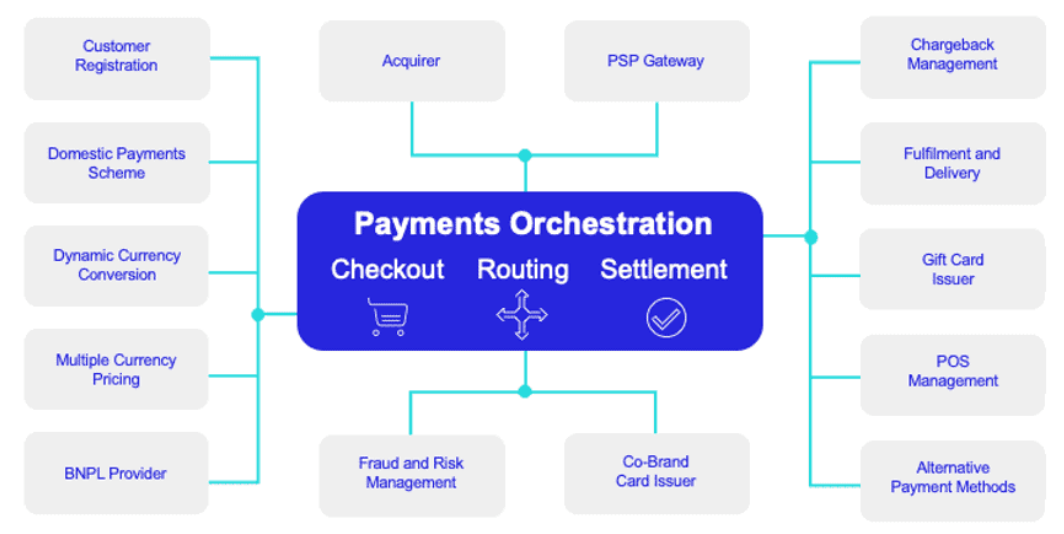
A comprehensive technical, financial, and operational guide to multi-processor payment architectures for scaling global enterprise brands.
Read Strategy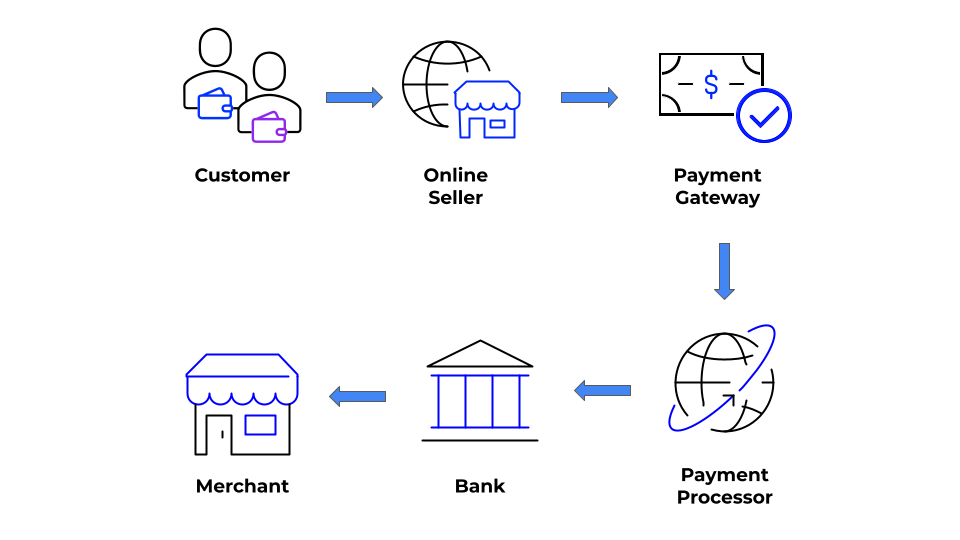
A comprehensive technical, financial, and operational guide to the data flows, authorization lifecycles, and security protocols powering digital transactions.
Read Strategy